Optimizing Peak Hours and Service Flow in UAE Food Businesses
Picture a bustling Dubai cloud kitchen operator watching orders flood in during the 6-9 PM rush, only to see service flow grind to a halt as kitchen staff scramble. This common nightmare hits UAE food and beverage industry players hard, where peak hours can make or break daily revenue. Mastering these critical windows through smart planning turns chaos into clockwork efficiency.
Understanding Peak Hours in the UAE Food Scene
Peak hours in Dubai and Abu Dhabi typically align with commuter rushes and family dining times, hitting hardest from 7-10 AM for breakfast crowds and 5-9 PM for dinner surges, especially along busy corridors like Sheikh Zayed Road and near business districts. These patterns mirror broader traffic data, where morning peaks see heavy congestion until 10 AM and evenings stretch to 9 PM, directly impacting delivery timelines for cloud kitchen business and dine-in spots alike. Recent studies from Dubai’s Roads and Transport Authority show flexible work policies could slash morning peak travel times by 30 percent, easing supply chain pressures for food business growth.
Why Peak Hours Matter for Food Industry Trends
In the fast-evolving food industry trends, UAE restaurants face amplified stakes during these rushes, with customer expectations for lightning-fast service clashing against logistical hurdles like traffic delays. A recent RTA and DGHR survey of over 320,000 employees revealed that remote work adoption by 20 percent of staff could drop traffic on Sheikh Zayed Road by 9.8 percent, indirectly boosting service flow for nearby eateries by reducing delivery bottlenecks. For sustainable food brands aiming at expansion, ignoring these dynamics risks lost revenue, as peak-hour bottlenecks can spike food safety issues from rushed prep.
Decoding Service Flow: The Backbone of Peak Performance
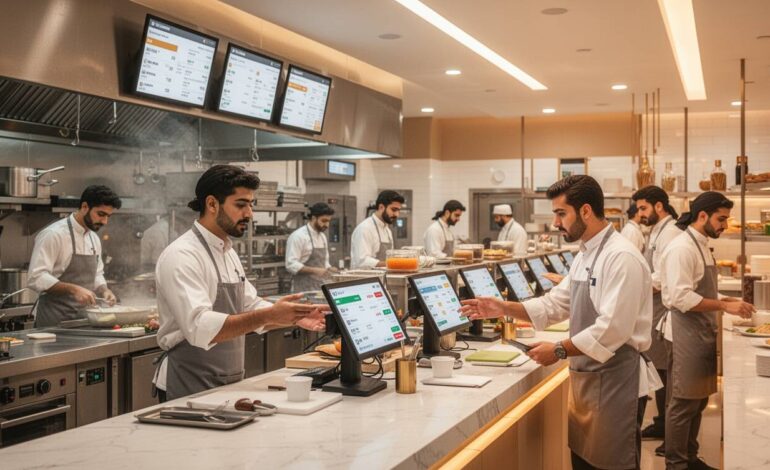
Service flow refers to the seamless movement of orders from entry to exit, encompassing kitchen throughput, staff coordination, and customer handover. In UAE’s competitive food and beverage industry, optimizing this during peak hours separates thriving outlets from those barely scraping by. food technology integrations, like real-time order tracking, have become game-changers, allowing qsr consultants to redesign workflows that handle 50 percent more volume without extra hires.
Real-World Impact: A Mumbai Transplant’s Dubai Lesson
Consider Raj, a Mumbai restaurant owner who pivoted his cloud kitchen business to Dubai Marina. During evening peak hours, his initial setup crumbled under order surges, with service flow bottlenecking at packaging stations amid Al Khail Road delays. Partnering with restaurant setup consultants helped him stagger prep cycles, transforming 45-minute average waits into 15, fueling food business growth in a market where 70 percent of diners abandon carts for slow service.
Key Challenges During UAE Peak Hours
Traffic congestion isn’t the only villain; staff fatigue, supply delays, and inventory mismatches compound issues, turning peak hours into profit pitfalls. Food safety protocols often falter under pressure, with rushed handling elevating contamination risks in high-volume setups. Moreover, fluctuating demand strains cloud kitchen business models, where precise service flow dictates margins in a city where dinner peaks coincide with post-work mall crowds.
Leveraging Data for Smarter Operations
Dubai’s RTA reports highlight how evening peaks from 5-9 PM clog airport routes and Marina exits, delaying fresh ingredient deliveries critical for food processing consultancy services. Operators using food technology analytics can predict these spikes, adjusting staffing via apps that forecast 20-30 percent volume jumps. As Mattar Al Tayer, Commissioner General for Infrastructure, noted in RTA statements, flexible patterns promote sustainable transport options that indirectly aid food business growth by smoothing logistics.
Actionable Strategies to Boost Service Flow
To conquer peak hours, UAE food businesses must adopt targeted tactics rooted in restaurant consulting expertise. Here are three practical recommendations:
- Implement staggered shift rotations, starting prep teams 90 minutes before known peaks like 5 PM, ensuring smooth service flow without burnout.
- Integrate food technology for dynamic menu adjustments, prioritizing quick-serve items during 7-10 AM rushes to maintain food safety and speed.
- Collaborate with food business consultants for layout audits, optimizing kitchen zones to cut order fulfillment time by up to 25 percent in cloud kitchen business setups.
Tech-Driven Solutions from food factory design consultants
Food factory design consultants recommend modular stations that flex with peak hours demand, a staple for turnkey food factory consultant projects in Jebel Ali. Pair this with inventory software synced to traffic APIs, dodging delays on Sheikh Zayed Road. For sustainable food brands, these tweaks not only enhance service flow but align with UAE’s push for efficient operations amid rising food industry trends.
Case Study: Transforming a Cafe’s Peak Hour Chaos
In Abu Dhabi’s thriving cafe scene, a cafe consultant revamped a JLT spot struggling with lunch peaks. By analyzing food industry trends and local traffic data, they introduced queue-busting kiosks and backend rerouting, lifting service flow efficiency by 40 percent. The owner, echoing Food Consultants wisdom, shared: Peak hours became our superpower once we mapped service flow like a well-oiled machine. This mirrors global insights from FoodNavigator, where optimized flows drive 15-20 percent revenue lifts.
The Role of Expert Guidance in Food Business Growth
Food Consultant Services shine here, offering tailored audits that blend food processing plant consultancy services with on-site training. For QSR leaders eyeing expansion, these pros decode peak hours patterns unique to UAE, from Friday brunch surges to weekend Marina crowds. As EIT Food reports emphasize, tech-savvy service flow is key to resilient operations in dynamic markets.
Frequently Asked Questions (FAQs)
What are the typical peak hours for UAE restaurants and cloud kitchens?
Peak hours generally run from 7-10 AM for breakfast and office crowds, and 5-9 PM for dinners, aligning with Dubai’s traffic peaks on roads like Sheikh Zayed. Cloud kitchen business operators see intensified evening surges due to delivery apps, so planning service flow around these windows keeps operations humming and customers happy.
How can food technology improve service flow during rushes?
Food technology like POS systems with AI forecasting lets you preempt peak hours by auto-adjusting inventory and staff alerts, slashing wait times significantly. In UAE’s food and beverage industry, this means fewer errors, better food safety, and smoother handoffs, turning high-pressure moments into revenue boosters.
Why partner with restaurant consulting for peak hour management?
Restaurant consulting brings data-backed insights tailored to UAE challenges, from traffic-impacted deliveries to local dining habits, optimizing every aspect of service flow. It’s a smart move for food business growth, helping sustainable food brands scale without the trial-and-error pitfalls many face alone.
Seize Control of Your Peak Hours Today
Refining peak hours and service flow isn’t optional- it’s the edge UAE food businesses need in a crowded market. Act now to audit your operations, weave in food technology, and consult experts for lasting food business growth. Ready to elevate? Connect with Tech4Serve for proven restaurant consulting that delivers results.