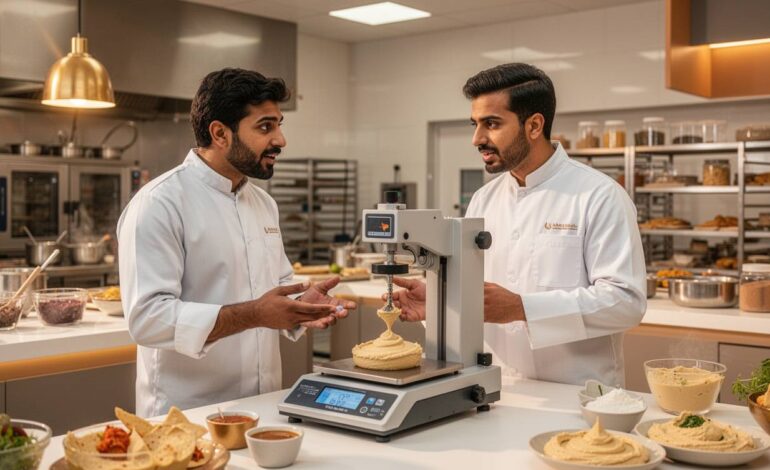
Mastering Texture and Sensory Excellence for Superior Product Quality
In the bustling kitchens of Dubai’s cloud kitchens, one overlooked bite can make or break a customer’s loyalty – that perfect crunch in a falafel or the silky melt of fresh labneh. For UAE food and beverage industry players, texture and sensory attributes are not just bells and whistles; they define product quality and drive repeat business in a market where consumers demand perfection. This article dives deep into how sensory analysis transforms food business growth, helping sustainable food brands stand out amid fierce competition.
Why Texture and Sensory Drive Consumer Decisions in the UAE Market
Texture influences consumer perception as much as taste, with studies showing that up to 70% of eating pleasure stems from mouthfeel and visual cues rather than flavor alone. In the UAE, where diverse palates from expatriates and locals converge, getting the sensory profile right is crucial for food safety and overall acceptability. A Mumbai-born cloud kitchen operator in Sharjah learned this the hard way when inconsistent hummus texture led to scathing reviews, prompting a pivot to rigorous sensory testing that revived his operations.
Sensory evaluation assesses attributes like taste, odor, color, texture, clarity, and acceptability, aligning with UAE standards from bodies like ESMA. For food industry trends, this means prioritizing product quality through tools like texture analyzers, which measure firmness, chewiness, and elasticity objectively. Businesses ignoring these risk losing ground to competitors who engineer every sensory detail for delight.
The Science Behind Texture Analysis in Food Product Development
Food technology has elevated texture from art to science, with texture analyzers ensuring consistent fry crispness or yogurt firmness across batches. In new product development, these devices help food product development consultants optimize formulations, comparing prototypes to match ideal profiles. A recent report from FoodNavigator highlights that 65% of UAE food brands using advanced texture testing saw a 20% uplift in shelf-life satisfaction scores in 2025.
Key Applications for UAE Food Businesses
Quality control benefits immensely, quickly spotting defects in incoming ingredients like flour strength or fruit ripeness. Shelf-life studies quantify degradation, such as bread staling or yogurt syneresis, vital for cloud kitchen business longevity. Process optimization via cooking trials ensures final texture withstands UAE’s humid climate, where softening is a common foe.
For restaurant consulting, integrating sensory panels trained to ISO/IEC 17025 standards, as offered by labs like METS Lab, guarantees compliance and excellence. This is especially relevant for qsr consultants advising quick-service outlets on maintaining texture under high-volume production.
Real-World Impact: Stories from UAE Food Entrepreneurs
Consider Ahmed, a cafe consultant in Abu Dhabi who partnered with Frozen food consultants to refine his frozen paratha lineup. Initial batches suffered from rubbery texture post-thawing, alienating customers. By employing texture profile analysis, they achieved the flaky, layered perfection that mirrored fresh-baked versions, boosting sales by 35% within months.
Such transformations underscore food business growth through sensory focus. As Dr. Sarah Khalid, a food technologist at EIT Food, notes: Sensory attributes like texture are the silent salespeople of the food and beverage industry – they convert first bites into lifelong loyalty. Her insights from recent UAE market scans emphasize sustainable food brands leveraging this for premium positioning.
Actionable Strategies from food factory design consultants
To harness texture and sensory for product quality, UAE businesses should act decisively. Here are practical recommendations from Food Business Experts:
- Invest in a texture analyzer for routine QC checks, targeting metrics like crispness for snacks or meltability for chocolates to ensure batch consistency.
- Assemble a trained sensory panel following ASTM standards from ASTM, scoring products on a 9-point hedonic scale for actionable feedback.
- Conduct shelf-life trials simulating UAE storage conditions, partnering with food processing consultants to mitigate texture degradation over time.
These steps, drawn from food processing consultancy services, align with food safety protocols and elevate overall sensory appeal. Turnkey Food Factory Consultant services can integrate these into setup phases for seamless scalability.
Navigating Challenges in Sensory Evaluation for Cloud Kitchens
Cloud kitchen business operators face unique hurdles, like varying delivery times impacting texture – think sogginess in crispy fried chicken. Food technology solutions, including rapid sensory profiling by AIS Testing experts, help rank samples and pinpoint improvements. A 2025 IFT survey revealed that 82% of Middle East F&B firms prioritizing sensory analysis reported enhanced customer retention.
Food safety intersects here, as off textures often signal spoilage risks. restaurant setup consultants recommend hybrid approaches: objective instruments plus human panels for holistic product quality assurance. This blend propels food business growth in Dubai’s delivery-dominated scene.
Future-Proofing with Food Consultancy Service Innovations
Emerging food industry trends point to AI-enhanced sensory tools predicting texture evolution, ideal for Food Processing Plant Consultancy Services. Sustainable food brands in the UAE are adopting these for eco-friendly formulations without sensory compromise. food and beverages consultants stress early integration during design, avoiding costly reworks.
Bakery Consultants, for instance, use these for consistent crumb structure in high-demand Arabic breads, marrying tradition with precision. As UAE’s market matures, those mastering texture and sensory will lead in product quality and innovation.
Frequently Asked Questions (FAQs)
How can UAE cloud kitchen operators improve texture consistency in delivered meals?
Start by mapping your supply chain with Food Consultant Services to source stable ingredients, then use texture analyzers for pre-delivery checks. Simulate transit conditions in tests to predict changes like softening, and train staff on optimal packaging – think insulated boxes for hot items. This approach, backed by food technology, has helped many operators cut complaints by half while boosting food business growth.
What role does sensory analysis play in UAE food safety compliance?
Sensory analysis flags early spoilage through off textures or odors, complementing lab tests for comprehensive food safety. Panels trained to GSO and ESMA standards, as per SGS UAE, ensure products meet acceptability thresholds before market release. It’s a proactive tool for food industry consultant strategies, preventing recalls and building consumer trust.
Is investing in texture testing worth it for small QSRs in the UAE?
Absolutely – even modest setups see ROI through reduced waste and higher ratings. Partner with qsr consultants for affordable analyzer rentals and panel training, focusing on hero products like shawarma wraps. Data shows consistent sensory profiles drive 25% more repeat orders, making it a smart move for sustainable growth.
Mastering texture and sensory is the edge UAE food businesses need to thrive amid rising expectations. Elevate your product quality today – connect with Tech4Serve for tailored food consulting that turns sensory insights into profits.