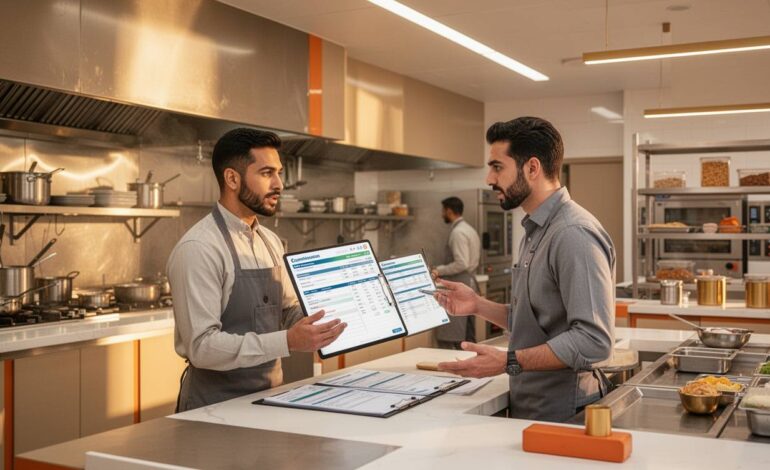
Navigating Aggregator Commissions and Delivery Platforms in the UAE Food Scene
In the bustling food and beverage industry of the UAE, where delivery has become the lifeline for many eateries, aggregator commissions on delivery platforms are squeezing margins like never before. Picture a Dubai cloud kitchen operator watching 30 percent of every order vanish into thin air – that is the stark reality for countless food businesses today. As food industry trends shift toward digital dominance, understanding these costs is key to unlocking food business growth.
The Rising Tide of Aggregator Commissions in UAE
Delivery aggregators have transformed how customers access meals, but their commission structures are proving burdensome for UAE restaurants. Rates typically hover between 25 and 30 percent per order, with some platforms pushing up to 35 percent, steadily climbing over recent years according to industry reports.Zawya highlights how these fees, combined with extras like discount credit card commissions, erode profitability. For a mid-sized restaurant in Abu Dhabi pulling in AED 500,000 monthly from deliveries, this translates to AED 125,000 to 175,000 handed over monthly – a hefty price for visibility.
Real-World Impact on Cloud Kitchen Business
Take Ahmed, a cloud kitchen business owner in Sharjah, who launched during the pandemic boom. Initially thrilled by order volumes from major delivery platforms, he soon faced the harsh truth: aggregator commissions devoured nearly a third of revenues, forcing menu price hikes that deterred repeat customers. This mirrors broader food industry trends where operators grapple with balancing customer acquisition against these escalating costs. In the UAE, where the food delivery market is projected to grow at 12 percent annually through 2027 per Statista reports, such pressures threaten sustainable food brands unless addressed head-on.
Why Delivery Platforms Charge High Commissions
Aggregators justify their cuts by covering marketing, customer acquisition, and logistics – services that promise reach in a competitive landscape. Yet, restaurant owners argue these platforms retain customer data and loyalty, leaving eateries as mere suppliers. A recent FoodNavigator analysis notes that in the Middle East, aggregator dominance has led to 20-35 percent commissions, mirroring global patterns but hitting UAE’s high-rent market harder. Additional fees for promotions and payments compound the issue, turning what should be a partnership into a one-sided drain.
Hidden Fees Beyond the Headline Commission
Beyond the base aggregator commission on delivery platforms, restaurants face payment processing charges, sponsored listing fees, and even penalties for low ratings. For QSR leaders in Dubai, this means a 25 percent commission order might effectively cost 35 percent after add-ons. As one UAE operator shared in a Zawya interview, platforms like Talabat occasionally offer temporary waivers – 50 to 100 percent for a month – but these are short-lived bandages on a deeper wound.
Strategies to Counter High Aggregator Dependence
Food business growth in the UAE demands smarter navigation of these delivery platforms. Many operators are turning to restaurant consulting and food technology solutions to reclaim control. Here are three actionable recommendations to mitigate aggregator commissions:
- Develop your own branded app or website for direct orders, bypassing commissions entirely – tools like no-commission platforms can integrate with POS systems for seamless food safety compliance and customer data ownership.
- Negotiate volume-based deals with aggregators or join restaurant collectives, as Dubai owners did by pooling resources for a shared delivery network charging tailored, lower rates.
- Leverage food consulting services such as qsr consultants or cafe consultant experts to optimize menus and operations, boosting margins without relying solely on platforms.
Case Study: Dubai Restaurants Band Together
Inspired by collective action, a group of Dubai restaurant owners launched their own delivery platform, slashing commissions to affordable levels while optimizing logistics – drivers now handle 20 deliveries daily versus 10-12.PMQ Pizza Magazine reports this move preserves profits and fosters community. Sheikha AlMheiri, founder of Mad Hospitality, captured the sentiment: Although I fully support delivery-only models, this has created an undue advantage for aggregators who maintain outrageous commissions of 30 to 35 percent. Such initiatives align with food technology advancements, empowering food and beverage industry players.
Integrating Food Consultancy for Long-Term Wins
Forward-thinking UAE food businesses are partnering with food business consultants and Turnkey Food Factory Consultant firms to diversify beyond aggregators. These experts offer food factory design consultants services that streamline cloud kitchen business setups, ensuring food safety standards meet UAE regulations from the Ministry of Health and Prevention. By focusing on direct channels, operators build sustainable food brands less vulnerable to platform whims. A EIT Food report underscores how such strategies enhance resilience amid volatile food industry trends.
Stats Driving the Shift
Data paints a clear picture: UAE food delivery commissions average 25-35 percent, per multiple sources, while global research from IFT shows restaurants using direct ordering retain 15-20 percent more revenue. In Saudi Arabia, a comparable market, aggregator fees up to 30 percent have prompted similar rebellions, signaling a regional pivot.
Leveraging Experts in Food Processing and Beyond
For scaling ventures, food processing consultants and food product development consultants provide tailored food processing consultancy services. Whether launching a new QSR or refining a bakery operation with Bakery Consultants, these food industry consultant pros integrate food technology for efficiency. In the UAE’s dynamic scene, food consultancy service from restaurant setup consultants can transform aggregator reliance into diversified revenue streams, prioritizing food business growth.
Frequently Asked Questions (FAQs)
What are typical aggregator commission rates on delivery platforms in the UAE?
Aggregator commissions on delivery platforms in the UAE generally range from 25 to 35 percent per order, depending on the platform and additional fees like payment processing or promotions. This has been a growing concern for restaurants, as highlighted in recent industry discussions, pushing many to explore alternatives for better margins. If you are running a cloud kitchen business, tracking these rates monthly can help you budget effectively and spot negotiation opportunities.
How can UAE restaurants reduce dependence on delivery aggregators?
UAE restaurants can cut aggregator dependence by building direct ordering channels through branded apps, which eliminate commissions and give you full customer data control. Collaborating with peers for shared logistics or enlisting food consulting experts like Food Business Experts for operational tweaks also works wonders. Start small – test a no-commission platform alongside aggregators to compare order volumes and retention rates over three months.
Are there government regulations on delivery platform commissions in the UAE?
While the UAE government through bodies like the Emirates Authority for Standardization and Metrology oversees food safety, there are no strict caps on aggregator commissions yet, leaving it to market dynamics. However, advocacy from restaurant groups is gaining traction, especially post-pandemic. Keep an eye on updates from official channels, and consider restaurant consulting to stay compliant while optimizing costs.
As aggregator commissions on delivery platforms continue to challenge UAE’s vibrant food and beverage industry, the path forward lies in innovation, collaboration, and expert guidance. Embrace food technology, prioritize direct customer relationships, and watch your food business growth soar. Ready to optimize your operations? Connect with Tech4Serve for tailored restaurant consulting today.