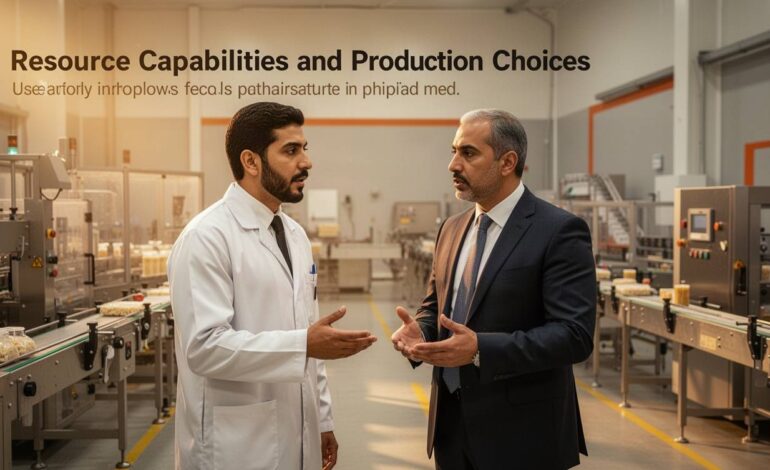
Understanding Co-manufacturing and In-house Production
In the bustling food and beverage industry of the UAE, business owners are often at a crossroads when it comes to production decisions. Should they keep manufacturing in-house, or opt for co-manufacturing? This choice can be a game-changer, impacting not just costs but also the speed to market and innovation capacity.
The Landscape of Food Manufacturing in the UAE
The UAE’s food market is a dynamic arena, driven by shifting consumer preferences and technological advancements. According to a report by FoodNavigator, the region’s food industry trends indicate a growing demand for premium and sustainable food products. Thus, the strategic choice between co-manufacturing and in-house production becomes crucial for businesses looking to scale rapidly.
When to Choose Co-manufacturing
Co-manufacturing involves partnering with a third-party company to produce goods. This option is often ideal for businesses seeking flexibility and expertise without the need for capital investment. Imagine a thriving cloud kitchen business that suddenly needs to increase its output due to a spike in demand. Co-manufacturing can offer the agility needed to keep up.
Moreover, co-manufacturing can provide a competitive edge in areas such as food safety and quality assurance. By partnering with reputable food processing consultancy services, businesses can leverage advanced techniques and infrastructure without the risk of upfront costs.
Advantages of In-house Production
On the other hand, keeping production in-house offers unprecedented control over the entire process. This can be crucial for sustainable food brands aiming to uphold their environmental commitments. By maintaining direct oversight, companies can ensure ethical sourcing and production standards.
However, it comes with its own set of challenges. As noted by a study from IFT, establishing a robust in-house facility requires substantial investment in food technology and regulatory compliance. Facility management and the skilled workforce are pivotal aspects to consider, often necessitating support from Food Factory Consultants or Turnkey Food Factory Consultants.
Making the Right Choice
Each business scenario is unique, and the decision between co-manufacturing and in-house production should align with the long-term vision of the company. Here are three actionable recommendations for UAE food entrepreneurs:
- Analyze your supply chain and identify key areas where co-manufacturing could enhance efficiency and reduce lead times.
- Consider consulting with Food Business Experts to evaluate the cost-benefit structure of in-house investments as related to product uniqueness and brand values.
- Utilize a hybrid model where feasible, balancing co-manufacturing for high-demand SKUs while maintaining in-house production for signature items.
In the words of Ahmed Salah, a renowned food industry consultant, The right manufacturing strategy balances risk and opportunity, taking advantage of flexibility while safeguarding quality.
Frequently Asked Questions (FAQs)
What are the key benefits of co-manufacturing for new food businesses in the UAE?
Co-manufacturing offers new food businesses the advantage of scalability without the initial capital expenditure required for building manufacturing capabilities. It allows access to cutting-edge food processing technology and expertise from established manufacturers, accelerating product rollout and ensuring consistency in food safety and quality standards.
How does in-house production help in sustaining food business growth?
In-house production is crucial for sustaining long-term food business growth by providing complete control over the manufacturing process, from sourcing to production. This autonomy facilitates innovation and customization, enabling businesses to swiftly adapt to food industry trends and consumer preferences while maintaining stringent quality and sustainability standards.
Conclusion
The decision between co-manufacturing and in-house production is a critical one for food businesses in the UAE, with each option offering distinct advantages and challenges. By understanding your business goals, market dynamics, and resource capabilities, you can make informed choices to achieve sustainable growth. For more insights and strategic advice, consider reaching out to Tech4Serve and harness their expertise in navigating complex production landscapes.