Kitchen Capacity, Scale, and Planning: The Backbone of UAE Food Business Success
In the bustling Dubai food scene, one cloud kitchen operator nearly lost his edge when mismatched kitchen capacity led to endless delays during peak hours. Mastering kitchen capacity, scale, and planning is not just operational housekeeping; it is the secret to unlocking food business growth in a market projected to hit AED 120 billion by 2025 according to a FoodNavigator report. This guide dives deep into strategies tailored for UAE restaurateurs ready to thrive.
Understanding Kitchen Capacity in the Food and Beverage Industry
Kitchen capacity defines the maximum output your setup can handle without breaking a sweat, encompassing equipment limits, staff efficiency, and space utilization. In UAE’s competitive food and beverage industry, where food industry trends lean toward hyper-local delivery and quick service, underestimating capacity spells disaster for scaling operations. Think of it as the engine size in your delivery van; too small, and you choke on orders; too big, and costs eat into margins.
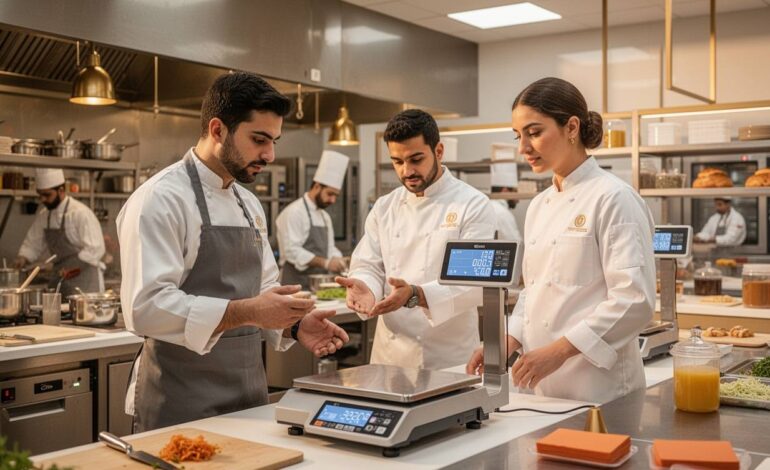
For a Mumbai-inspired shawarma joint in Abu Dhabi expanding into cloud kitchen business, proper capacity assessment revealed they could double output by reallocating prep zones. Commercial scales play a pivotal role here, with capacity referring to the maximum weight they accurately measure, crucial for portion control in high-volume setups. Selecting scales from 5kg for bakeries to 10kg or more for pizzerias ensures you match tools to your daily batch sizes, avoiding overloads that skew accuracy.
Why Scale Matters for Food Business Growth
Scale in kitchen planning goes beyond weighing tools; it is about proportionally expanding operations to meet demand while keeping food safety and costs in check. Digital portion control scales, staples in professional kitchens, ensure consistent portions, slashing waste and boosting profitability. A recent IFT study notes that precise scaling reduces food waste by up to 20% in commercial settings, a game-changer for sustainable food brands chasing UAE’s green initiatives.
Consider a Sharjah cafe owner partnering with cafe consultant experts; by integrating high-capacity scales with 0.01-ounce readability for fine ingredients, they standardized recipes across outlets. This precision supports food technology integration, like inventory apps that sync with scales for real-time tracking. As food industry trends push toward data-driven decisions, scaling right positions your venture for exponential food business growth without the pitfalls of overexpansion.
Key Factors in Selecting the Right Scale Capacity
Start with your maximum batch size, adding a 20% buffer for surprises. Platform size matters too; larger ones stabilize bulky items like dough buckets, preventing readout fluctuations. Readability drops with higher capacity, so bakeries opt for finer increments while bulk prep favors coarser ones.
- Assess daily volume: Pizzerias need 10lb+ scales for dough; patisseries thrive on 5kg precision models.
- Factor in tare function: Zero out containers to build recipes directly, streamlining workflows.
- Choose units wisely: Grams for baking, pounds for meats to dodge conversion errors.
Strategic Planning for Optimal Kitchen Scale and Capacity
Effective planning ties capacity and scale into a cohesive strategy, often guided by restaurant consulting pros like food business consultants. Map peak hours against equipment throughput; for instance, a cloud kitchen business in Dubai used food factory design consultants to reconfigure lines, boosting output by 35%. Turnkey Food Factory Consultant services excel here, delivering blueprints that align with UAE food safety standards from the Ministry of Health and Prevention.
food processing consultants emphasize simulation tools to test scenarios, ensuring your setup scales seamlessly. In one case, a QSR chain in Ras Al Khaimah leveraged qsr consultants to integrate wireless scales with label printers, cutting prep time by 15%. This forward-thinking approach aligns with food processing consultancy services, future-proofing against surges in delivery demand.
Actionable Steps for UAE Food Operators
Planning is proactive; start with audits to pinpoint bottlenecks.
- Conduct a weekly throughput test: Measure from order receipt to plating, identifying scale-related delays.
- Invest in hybrid scales: Combine large capacity with smart features like data storage for trend analysis.
- Partner with Food Consultant Services: Local experts provide tailored audits, blending global best practices with UAE regulations.
As EIT Food reports, 68% of scaled F&B operations in the Middle East cite capacity planning as their top growth driver in 2025. Bakery Consultants, for niche players, recommend modular scales that adapt as menus evolve.
Integrating Technology and Sustainability in Capacity Planning
Food technology elevates planning, with smart scales offering app connectivity for inventory forecasts. Frozen food consultants advise high-capacity models for bulk thawing ops, ensuring food safety amid UAE’s heat. Sustainable food brands gain from scales that minimize over-portioning, aligning with zero-waste goals.
restaurant setup consultants often quote industry veteran Ahmed Al-Mansoori: Scale your kitchen like you scale your ambitions; precision at every gram builds empires. food product development consultants integrate this into R&D, testing prototypes at exact weights for consistency.
Frequently Asked Questions (FAQs)
What is the ideal kitchen capacity for a startup cloud kitchen business in Dubai?
For a startup cloud kitchen business in Dubai handling 100-200 orders daily, aim for a kitchen capacity supporting 50-70 dishes per hour, factoring in prep, cooking, and packing zones. Consult Food Business Experts early to model based on your menu; scales with 10kg capacity handle most batch needs while tare functions speed up multi-ingredient assembly. This setup scales efficiently as orders grow, keeping food safety compliant with Emirates Authority standards.
How do commercial scales impact food costs in the UAE food and beverage industry?
Commercial scales slash food costs by enforcing portion control, with studies showing up to 15% savings in high-volume UAE kitchens through accurate weighing. In fast-paced environments like QSRs, they prevent over-portioning that erodes margins amid rising ingredient prices. Pair with food processing plant consultancy services for calibration routines, ensuring long-term reliability and tying into broader food business growth strategies.
Can food technology help with kitchen scale planning for sustainable food brands?
Yes, food technology like app-linked scales revolutionizes planning for sustainable food brands by tracking usage patterns and predicting waste. In UAE, where eco-regulations tighten, these tools optimize capacity, reducing spoilage by precise measurements. food and beverages consultants recommend starting with basic digital models before upgrading, blending tech with hands-on restaurant consulting for measurable ROI.
Scale Smart, Grow Strong: Your Next Steps in UAE F&B
Kitchen capacity, scale, and planning form the triad propelling UAE food ventures forward, turning chaotic ops into profit machines. From cloud kitchens to full-service spots, the right approach fuels sustainable expansion amid food industry trends. Ready to audit your setup? Connect with Tech4Serve for expert guidance that matches your vision.