Mastering Technology Stack and Digital Tools for UAE Food and Beverage Success
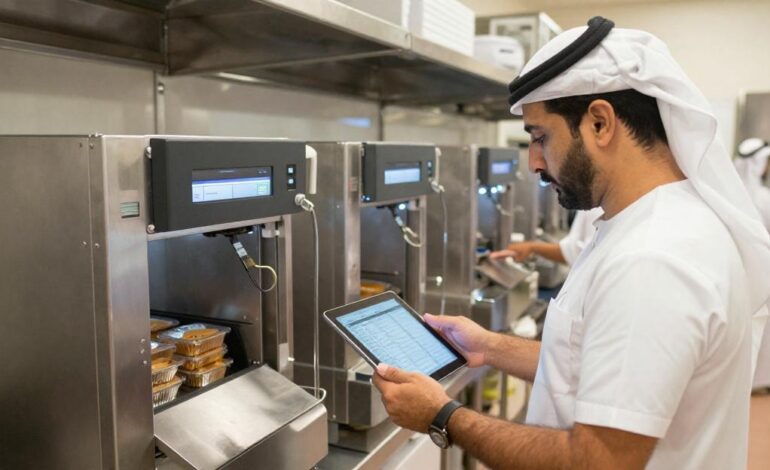
Imagine a bustling cloud kitchen in Dubai where orders flow seamlessly from customer apps to automated prep stations, cutting waste by 30% overnight. In the fast-paced UAE food and beverage industry, this is not a dream but the new reality powered by the right technology stack and digital tools. As food industry trends accelerate toward AI-driven efficiency, UAE restaurateurs and cloud kitchen operators who adopt these innovations are outpacing competitors in food business growth.
Why UAE Food Businesses Need a Robust Technology Stack Now
The UAE food and beverage industry is at a digital crossroads, with global food industry trends pointing to automation as the key differentiator. According to a recent report from the FoodNavigator, AI adoption in food processing could boost operational efficiency by up to 40% by 2026, a stat that resonates deeply in the UAE where the digital transformation market is projected to hit $23 billion. Local players like cloud kitchen businesses and QSRs are leveraging these shifts to enhance food safety, streamline operations, and build sustainable food brands amid rising consumer demands for transparency and speed.
Take Ahmed, a Mumbai-born entrepreneur who launched a cloud kitchen business in Sharjah after restaurant consulting advice. Struggling with inventory mismatches that led to 20% food waste, he integrated a basic technology stack including IoT sensors and cloud-based inventory software. Within months, his operation stabilized, proving that digital tools are not luxuries but necessities for food business growth in competitive markets like the UAE.
Key Components of an Effective Technology Stack for Food Operations
A solid technology stack for the food and beverage industry combines hardware, software, and cloud services tailored to food technology needs. Core elements include AI-powered demand forecasting, blockchain for food safety tracking, and RPA for back-office tasks. In the UAE, where the National Strategy for Artificial Intelligence 2031 aims to position the nation as a global AI leader, food businesses can tap into this ecosystem for unprecedented scalability.
For instance, digital tools like POS systems integrated with AI analytics help predict peak hours, optimizing staff deployment in cafes and restaurants. Food factory design consultants often recommend stacking these with ERP systems for end-to-end visibility, from procurement to delivery. As per IFT insights, such integrations reduce downtime by 25%, directly fueling food business growth.
AI and Automation: The Backbone of Modern Food Tech
AI automation trends are reshaping UAE businesses, with Robotic Process Automation enhancing efficiency by 85% in government sectors, as seen in the UAE Ministry of Finance. For food processing consultancy services, this translates to predictive maintenance on machinery, minimizing breakdowns in high-volume setups. food processing consultants emphasize modular AI models suited for bilingual UAE contexts, ensuring compliance with local food safety regulations.
Cloud Infrastructure and Data Centers Fueling GCC Food Innovation
The GCC is building a comprehensive AI stack, including massive data centers like Abu Dhabi’s Stargate UAE project, set to deliver 5GW capacity by 2026. This infrastructure supports cloud kitchen business models by enabling real-time data processing for inventory and orders. Turnkey Food Factory Consultant experts note that leveraging these regional assets cuts latency, vital for time-sensitive deliveries in Dubai and Abu Dhabi.
Actionable Recommendations to Build Your Technology Stack
Transitioning to advanced digital tools requires strategy, not overhaul. Here are three practical steps tailored for UAE food ventures:
- Start with a needs audit: Partner with food business consultants to map your current operations against food industry trends, identifying gaps in food technology like outdated POS or manual inventory.
- Integrate core digital tools: Deploy AI-driven platforms for demand forecasting and food safety monitoring, as recommended by qsr consultants, to achieve 20-30% cost savings.
- Scale with expert guidance: Engage restaurant setup consultants for custom food consulting, ensuring your technology stack aligns with sustainable food brands goals and UAE regulations.
Real-World Wins: Stories from UAE Food Pioneers
Consider Layla, a cafe consultant in Abu Dhabi who transformed her outpost into a sustainable food brands leader using digital tools for waste tracking. Her technology stack, featuring IoT-enabled fridges and AI analytics, slashed spoilage by 35%, echoing broader food and beverage industry shifts. Dr. Sarah Johnson, a food technology expert from EIT Food, states: Shared platforms reduce fragmentation, allowing agencies to integrate AI into workflows seamlessly.
In another case, a Food Processing Plant Consultancy Services firm helped a Dubai processor adopt blockchain for traceability, boosting consumer trust and compliance with UAE food safety standards. These narratives highlight how restaurant consulting paired with tech drives exponential food business growth.
Navigating Challenges in Adopting Digital Tools
While enticing, building a technology stack demands overcoming hurdles like integration costs and skill gaps. The UAE’s AI adoption rate stands at 59.4% among working-age adults, per Microsoft’s AI Diffusion Report, yet food businesses lag due to legacy systems. food product development consultants advise phased rollouts, starting with high-ROI areas like order management.
Governance is key too, with Abu Dhabi’s AI Council enforcing rules for high-risk uses. For cloud kitchen business operators, this means prioritizing explainable AI to maintain food safety and auditability. Bakery Consultants in the region are already using sovereign compute for sensitive data, setting a model for others.
The Future of Food Technology in the UAE
By 2026, UAE’s digital transformation will anchor AI as critical infrastructure, per MIT Sloan insights. food industry consultant predict a surge in localized AI models for Arabic contexts, revolutionizing everything from menu personalization to supply chain resilience. As sustainable food brands rise, those ignoring technology stack upgrades risk obsolescence amid food industry trends.
Frequently Asked Questions (FAQs)
What role does AI play in enhancing food safety for UAE cloud kitchens? AI-driven digital tools monitor temperatures and predict contamination risks in real-time, ensuring compliance with strict UAE regulations. For cloud kitchen business owners, this means fewer recalls and higher trust, with systems alerting to anomalies before they escalate – a game-changer for scaling operations safely.
How can small restaurants afford a full technology stack? Begin modestly with cloud-based POS and inventory apps, then layer in AI via subscriptions from local providers. Food Business Experts recommend budgeting 5-10% of revenue initially, yielding quick ROI through waste reduction and efficiency gains that support food business growth without breaking the bank.
Are there UAE-specific regulations for food technology adoption? Yes, bodies like the Emirates Authority for Standardization and Metrology oversee AI use in food processing. Partnering with food and beverages consultants ensures your stack meets data residency and safety standards, avoiding fines while unlocking government-backed incentives for innovation.
Conclusion: Power Up Your Food Business Today
The fusion of technology stack and digital tools is not just a trend – it’s the engine propelling UAE food and beverage industry leaders forward. From enhancing food safety to driving food business growth, these innovations position sustainable food brands for long-term dominance. Ready to transform your operation? Connect with Tech4Serve for expert restaurant consulting and customized food consultancy service to build your winning technology stack now.