Why Texture and Sensory Appeal Define Product Quality in the UAE Food Industry
Imagine a Dubai cloud kitchen operator watching orders plummet because customers complain their biryani feels soggy instead of fluffy. In the fast-paced food and beverage industry, texture and sensory experiences are the silent heroes determining if a product delights or disappoints, directly impacting food business growth. Mastering these elements elevates product quality from good to unforgettable.
The Science Behind Texture and Sensory in Food Product Quality
Texture refers to the physical feel of food in the mouth – crisp, creamy, chewy, or crumbly – while sensory encompasses the full orchestra of taste, aroma, sight, and even sound. Together, they form the backbone of product quality, influencing customer loyalty in ways nutritional labels alone cannot. Recent studies show that 85% of eating experiences are driven by sensory attributes rather than flavor profiles alone, according to a IFT report on consumer preferences.
How Texture Shapes Consumer Perception
In the UAE’s diverse food market, where expatriates and locals crave authentic global cuisines, texture mismatches can tank reputations overnight. Consider a Mumbai-born chef in Abu Dhabi perfecting samosas for his qsr consultants-backed outlet; if the pastry lacks that signature shatter, no spice blend saves it. Food technology advancements like rheometers now measure these traits precisely, helping food processing consultants optimize formulations for consistent product quality.
Sensory Analysis as a Competitive Edge
Sensory panels trained to evaluate mouthfeel, aftertaste linger, and visual appeal provide data-driven insights. For sustainable food brands aiming at health-conscious UAE consumers, balancing a yogurt’s silky texture with natural ingredients ensures repeat buys. A 2024 EIT Food study found that products excelling in sensory tests see 22% higher market share in emerging markets like the UAE.
UAE Food Safety Regulations: Safeguarding Texture and Sensory Integrity
The UAE’s 2025 Unified Food Safety Framework, led by MOCCAE, mandates risk-based inspections that scrutinize handling of perishable goods to preserve texture[1][3]. High-risk categories like ready-to-eat meals require temperature logs and traceability, preventing mushy textures from improper storage. This aligns with food safety standards under Federal Law No. 10/2015, ensuring product quality from farm to fork[2].
Labeling Laws and Their Role in Sensory Trust
UAE.S 9:2019 demands clear labeling in Arabic and English, including allergens and halal status, which builds trust in sensory claims like fresh or organic[4][6]. The Nutri-Mark system, rolling out in 2025, grades products A-E on nutrition, but texture verification falls to businesses via robust quality controls[1]. Non-compliance risks confiscation, underscoring why restaurant consulting now includes sensory compliance audits.
Real-World Impact: Stories from UAE Food Entrepreneurs
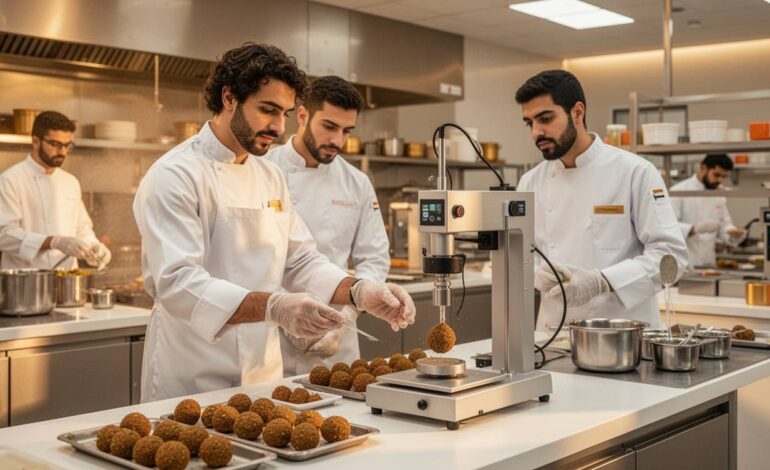
Take Ahmed, a cloud kitchen business owner in Sharjah, who partnered with Frozen food consultants to revive his falafel line. Previously, frozen logistics turned crispy chickpeas soggy; new vacuum-sealing preserved texture, boosting reviews by 40%. Similarly, a Ras Al Khaimah bakery using food product development consultants reformulated croissants for shatter-proof layers, tapping into food industry trends toward premium sensory experiences.
Dr. Maria Gonzalez, a food science expert at FoodNavigator, notes: Sensory attributes like texture are the first quality signal to consumers, often deciding purchases before the first bite. In UAE’s competitive scene, this means food factory design consultants must prioritize equipment for uniform results.
Practical Strategies to Enhance Texture and Sensory for Product Quality
Food Business Experts recommend starting with baseline sensory mapping. Here are actionable steps for UAE operators:
- Invest in food technology like high-shear mixers to control viscosity in sauces, ensuring consistent mouthfeel across batches – vital for Turnkey Food Factory Consultant projects.
- Conduct weekly texture audits using simple tools like texture analyzers, correlating results with customer feedback to refine recipes.
- Train staff on handling protocols under the 2025 framework, focusing on cold chain integrity to maintain sensory freshness in cloud kitchen business deliveries.
Leveraging Consultants for Superior Results
Engaging a Food Factory Consultant or food processing plant consultancy Services firm accelerates improvements. For instance, qsr consultants in Dubai help chains like shawarma spots achieve perfect tender-yet-crispy meat textures through precise marinades and grilling tech. cafe consultant services extend this to beverages, ensuring foam stability in lattes for that indulgent sensory pop.
Future-Proofing with Food Industry Trends
As food industry trends shift toward personalization, AI-driven sensory profiling predicts texture preferences for diverse UAE palates. Sustainable food brands gain by sourcing texturally superior ingredients locally, reducing import risks. Food Processing Consultants note that integrating these with food safety compliance positions businesses for export growth.
Stats Driving the Shift
A EIT Food 2025 report reveals 68% of UAE consumers prioritize texture in packaged goods purchases, up 15% since 2022. Meanwhile, MOCCAE data shows risk-based inspections cut spoilage-related texture failures by 30% in pilot emirates[1].
Frequently Asked Questions (FAQs)
How can UAE cloud kitchens maintain texture in frozen deliveries?
Focus on blast freezing right after prep and use insulated packaging with gel packs to hold temperatures below -18C during transit, as per 2025 food safety rules. Partnering with food processing consultancy services ensures protocols match risk-based inspection demands, while real-time IoT monitors prevent thaw-refreeze cycles that ruin crispness. This approach has helped many operators scale without quality dips.
What role does sensory testing play in restaurant setup?
Sensory testing validates menu items pre-launch, catching issues like overly gummy rice before they hit customers. restaurant setup consultants often run blind panels scoring on a 1-9 scale for texture, aroma, and overall appeal, aligning with UAE labeling laws. Its a small investment yielding big loyalty in the food and beverage industry.
Are there grants for food technology upgrades in UAE?
Yes, MOCCAE and Dubai SME offer incentives for food technology enhancing product quality, like sensory labs or texture tech. Food Consultant Services can guide applications, tying upgrades to sustainable food brands goals under the national framework. Check UAE Government portals for latest programs.
Mastering texture and sensory is not just about compliance – its your edge in UAE’s booming food scene. Elevate product quality today with expert guidance; contact Tech4Serve for tailored food consulting to fuel your food business growth.