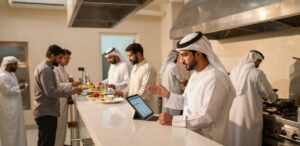
Snackification: The Shift Toward Convenience-Driven Eating in the UAE
The way consumers in the UAE eat is changing faster than ever. Gone are the days when meals meant sitting down for a formal dining experience. Today, snackification – the trend of breaking traditional meals into smaller, convenient, nutrient-dense snacks consumed throughout the day – is reshaping how restaurants, cloud kitchen businesses, and food brands approach menu development and business strategy. For food business growth in the region, understanding this shift isn’t optional; it’s essential to survival.
Understanding Snackification: More Than Just Fast Food
Snackification represents a fundamental restructuring of how busy professionals, families, and urban dwellers consume food. It’s not simply about grabbing a quick bite between meetings – it’s a deliberate pivot toward on-the-go nutrition that fits seamlessly into fast-paced lifestyles. The FoodNavigator reports that consumer demand for convenient, portable meals has grown exponentially, with snack consumption patterns now accounting for a significant portion of daily caloric intake across developed markets.
In the UAE specifically, this trend intersects perfectly with the region’s rapid urbanization and the growing number of professionals working in Dubai’s bustling business districts. A quick coffee with a protein-rich pastry before a 9 AM meeting, a plant-based snack box during lunch breaks, and nutrient-dense options for evening commutes – these have become the new meal structure for millions. The food technology sector is responding aggressively, with startups and established players investing heavily in convenience-focused solutions that marry speed with quality.
The Business Case: Why Snackification Matters for Your F&B Operation
For restaurant consulting and food business experts, snackification presents both challenge and opportunity. Traditional full-service restaurants are adapting by introducing snack-centric menus and smaller portion formats. Meanwhile, cloud kitchen business models are thriving precisely because they’re built around the snackification concept – rapid fulfillment, minimal overhead, maximum convenience.
Consider the numbers: convenience-driven food consumption is reshaping supply chains, packaging requirements, and ingredient sourcing. Food safety standards become even more critical when products are consumed outside controlled environments, making partnerships with IFT (Institute of Food Technologists) and local regulatory bodies essential. Moreover, sustainable food brands are finding that smaller, efficiently packaged portions reduce waste while appealing to environmentally conscious consumers – a critical demographic in the UAE’s affluent urban centers.
restaurant setup consultants report that new establishments launching in 2026 are increasingly incorporating snack-centric offerings into their core business model rather than treating them as afterthoughts. This strategic positioning has become a key differentiator in competitive markets like Dubai and Abu Dhabi.
2026 Food Industry Trends That Support Snackification
The broader food industry trends emerging for 2026 align perfectly with snackification momentum. According to Dubai food trend analysis, 2026 is shaping up to be more playful, texture-driven and creatively bold, with emerging categories like chewy cookies, jiggly foods, and casual tasting menu formats all lending themselves to snackable portions. The return to authenticity and simpler ingredients also supports convenient consumption – diners increasingly want honest, quality ingredients they can grab quickly without sacrificing nutritional value.
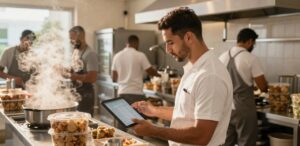
Food technology innovations are enabling this shift. Mobile ordering platforms, ghost kitchens optimized for delivery, and AI-driven inventory management mean that quick service restaurants can now operate with the efficiency of fast food chains while maintaining premium quality. qsr consultants are helping traditional F&B operators transition their business models to capture this lucrative snacking segment.
Practical Strategies for Capturing the Snackification Opportunity
1. Redesign Your Menu Around Snack Occasions
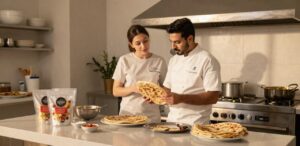
Rather than thinking in terms of breakfast, lunch, and dinner, segment your offerings by consumption moment: morning commute nutrition, midday energy boost, afternoon pick-me-up, and evening convenience options. Food consultants recommend creating a separate snack menu that doesn’t cannibalize your core offerings but instead attracts customers during non-traditional dining windows. This approach works equally well for standalone cafes, restaurant chains, and cloud kitchen businesses operating delivery-only models.
2. Invest in Food Safety and Packaging Excellence
When meals become portable and consumed away from premises, food safety protocols must be airtight. Partner with food processing consultants to audit your supply chain, invest in appropriate packaging that maintains product integrity during transit, and implement traceability systems. For sustainable food brands, packaging choices communicate your values – choose compostable or recyclable materials that reinforce your environmental commitment while protecting your product.
3. Leverage Food Business Growth Through Strategic Partnerships
Cafe consultants working across the UAE report that successful snackification strategies often involve collaboration rather than isolation. Team up with complementary businesses – a healthy snack brand partnering with a fitness studio, or a premium bakery collaborating with a cloud kitchen delivery service. These partnerships expand market reach while sharing operational overhead. food factory design consultants can help you structure production facilities to accommodate high-volume, consistent snack manufacturing at scale.
Real-World Scenario: A Dubai Restaurant Owner’s Pivot
Consider Ahmed, who operates a mid-range restaurant in Dubai Marina. In 2024, his business model relied almost entirely on dine-in customers during peak hours. By 2025, he was losing ground to more agile competitors. Working with restaurant setup consultants, Ahmed restructured his operation to emphasize a snack-centric delivery menu complementing his sit-down service. He introduced energy bowls, protein boxes, and chef-designed snack platters optimized for office delivery. Within six months, his delivery revenue accounted for 40% of turnover, smoothing his revenue curve across all dayparts. His cloud kitchen business model now feeds the snackification economy while his dining room maintains his premium positioning. This dual approach isn’t uncommon – it’s becoming standard.
Sustainability and Snackification: A Natural Alignment
Sustainable food brands find that snackification naturally supports their environmental objectives. Smaller portions mean less waste per transaction. Efficient packaging minimizes material use. Supply chains become more localized as businesses optimize for quick delivery. food processing plant consultancy services increasingly recommend designing facilities around snack production because the economics align with modern sustainability expectations. The UAE’s growing emphasis on environmental responsibility means consumers actively reward brands that make conscious snacking accessible.
The Role of Food Processing and Manufacturing Innovation
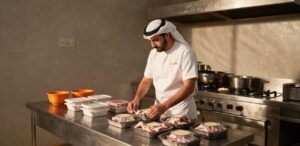
Behind every convenient snack stands sophisticated manufacturing infrastructure. food product development consultants working with emerging brands report that snack-specific manufacturing requires distinct approaches from traditional meal preparation. Freezing technology for grab-and-go portions, portion-control equipment, and high-speed packaging lines are now essential investments. Bakery consultants similarly report that modular, individually packaged baked goods are becoming standard rather than specialty offerings.
A turnkey food factory consultant can guide you through the complete infrastructure buildout – from location selection through equipment specification – needed to enter the snack manufacturing space. The capital requirements are significant, but the market demand justifies the investment. food and beverages consultants note that operators who moved into snack-focused manufacturing in 2024-2025 have enjoyed substantial margin advantages as supply struggled to keep pace with demand.
Data-Driven Insights: The Numbers Behind Snackification
The momentum is quantifiable. Snack manufacturers report that Made in UAE products are gaining international recognition, with positive shifts in global consumer perception of food manufacturing standards in Dubai driving significant product uptake. This represents a massive opportunity for local producers – the global snack market recognizes UAE manufacturing excellence, creating an export pathway for entrepreneurs entering the space.
Additionally, the shift toward plant-forward, sustainable snacking creates premiumization opportunities. Consumers willingly pay more for snacks that align with health and environmental values – particularly in the UAE’s affluent demographic. Food business experts report that premium snack positioning commands 30-50% price premiums compared to conventional alternatives, directly improving unit economics.
Technology Enabling Snackification
Food technology solutions are essential enablers of snackification at scale. Inventory management systems prevent spoilage of perishable snacks. Demand forecasting algorithms optimize production runs. Mobile ordering platforms make snack discovery effortless. QSR consultants increasingly recommend integrated tech stacks as non-negotiable infrastructure rather than optional upgrades – the operational complexity of managing dozens of snack SKUs with short shelf lives demands algorithmic precision.
Frequently Asked Questions (FAQs)
What exactly is snackification and how does it differ from traditional fast food?
Snackification is a deliberate eating pattern where consumers break traditional three-meal structures into multiple smaller, nutrient-focused snacks consumed throughout the day. Unlike fast food, which emphasizes speed and often sacrifices nutrition, snackification prioritizes convenience without compromising quality. A snack might be a protein-rich energy ball designed for morning consumption or a plant-based lunch box for office delivery – items that fit busy schedules while maintaining nutritional density. Fast food remains transactional; snackification is lifestyle-integrated. For food business growth in the UAE, this distinction is critical – snackification consumers are quality-conscious and willing to pay premium prices, whereas fast food competes primarily on price and speed.
How should I adapt my restaurant or food business to capitalize on snackification trends?
Start by analyzing your current customer base to identify snacking occasions you’re currently missing. If your restaurant thrives during lunch service but sits empty at 3 PM, you have a snacking opportunity. Work with food consultants or restaurant setup consultants to design a snack menu that complements rather than cannibalizes your core offerings. Implement delivery and mobile ordering capabilities – these are now table stakes in the snackification economy. Consider whether your operation could benefit from cloud kitchen business model elements, even if you maintain a physical location. Finally, audit your supply chain and manufacturing capabilities with guidance from food processing consultancy services to ensure you can consistently deliver snacks that meet quality standards. The brands winning in snackification are those that treat it as a strategic business initiative, not an experimental side project.
What are the food safety and regulatory considerations specific to snack manufacturing?
Snacks present unique food safety challenges because they’re consumed outside controlled environments and often purchased hours or days before consumption. Your product must maintain safety and quality throughout the supply chain. Work with food safety experts to implement hazard analysis and critical control points (HACCP) systems, ensure proper temperature control where required, and establish clear shelf-life protocols. Packaging becomes a food safety tool – it must protect contents from contamination while maintaining integrity. Regulatory compliance varies by snack type and destination market. If you’re manufacturing snacks in the UAE for export, work with local food authorities and international partners like IFT to ensure compliance with destination country regulations. Many successful operators allocate 10-15% of their startup budget specifically to food safety infrastructure and certification because regulatory violations are existential business threats.
Are sustainable snacking options viable as a premium business segment?
Absolutely. In fact, sustainability has become a primary purchase driver for affluent UAE consumers. Sustainable food brands find that eco-conscious packaging, local sourcing, and waste minimization aren’t just marketing tactics – they’re genuine competitive advantages. A snack packaged in compostable materials and manufactured to minimize food waste commands higher margins than conventionally produced alternatives because consumers actively seek these options. Food product development consultants report that premiumization through sustainability is one of the highest-ROI strategies in snack innovation. The initial investment in sustainable sourcing and packaging is higher, but the target customer segment is expanding rapidly and willing to pay accordingly. This is particularly true in Dubai and Abu Dhabi, where environmental consciousness increasingly correlates with purchasing power.
Conclusion: The Snackification Imperative
Snackification isn’t a passing fad – it’s a structural realignment of how people eat. For food and beverage industry participants across the UAE, whether you operate a full-service restaurant, manage a cloud kitchen business, or manufacture products at scale, snackification demands strategic attention. The opportunity is substantial, but only for operators who approach it deliberately, investing in quality, consistency, and the operational infrastructure required to deliver convenient nutrition at scale.
The winners in this space won’t be those who simply add snack items to their existing menu. They’ll be operators who fundamentally restructure their business model around the snackification opportunity – who understand their customers’ busy lifestyles intimately and design solutions that fit seamlessly into those schedules without compromise on quality or sustainability. They’ll invest in food technology, forge strategic partnerships, and work with food business experts who understand both the tactical details and strategic implications of this market shift.
If you’re ready to capitalize on snackification trends and build a food business designed for modern urban consumers, Tech4Serve specializes in connecting F&B operators with the restaurant consulting, food processing consultancy, and food business strategy expertise needed to execute this pivot successfully. Whether you’re restructuring an existing operation or launching a snack-focused venture, expert guidance ensures you’re building on solid strategic and operational foundations. Start today – the snackification economy is accelerating, and first-mover advantages remain substantial for operators who act decisively.