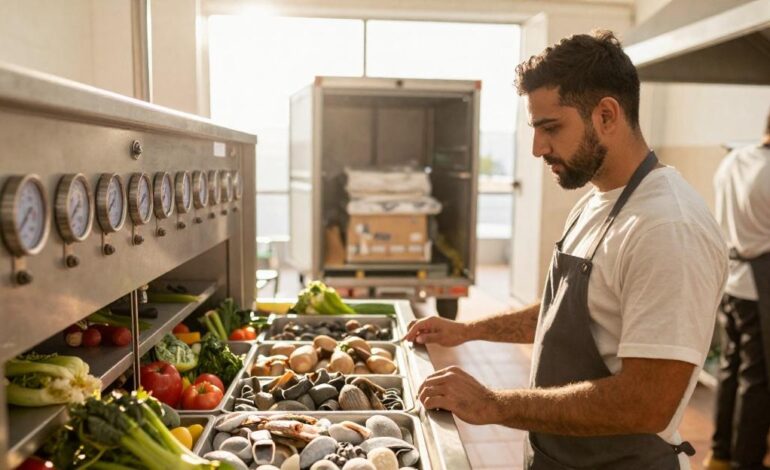
Shelf Life, Cold Chain, and Storage: The Backbone of UAE Food Success
Imagine a Dubai cloud kitchen operator watching a shipment of premium seafood arrive after a scorching desert transit, only to find it spoiled despite perfect sourcing. This nightmare underscores how mastering shelf life, cold chain, and storage can make or break food business growth in the UAE’s unforgiving climate. In a market where food safety is non-negotiable, getting these right unlocks sustainable food brands and lasting profitability.
Why Shelf Life Matters More Than Ever in UAE Food Industry Trends
The food and beverage industry in the UAE faces unique pressures from high temperatures and rapid urbanization, making shelf life a critical metric for restaurant consulting and beyond. Fresh produce like lettuce demands 4-8°C storage, while frozen meat requires -18°C or lower to prevent spoilage, as outlined in UAE Food Code guidelines from the Dubai Municipality. Institute of Food Technologists (IFT) reports that improper storage contributes to 20% of global food waste, a stat hitting harder in the UAE where logistics costs eat into margins.
Food industry trends show a shift toward precision: with UAE imports relying on 30-35 day sea transits from Asia to Jebel Ali, even minor cold chain lapses can slash shelf life by days. Consider a Mumbai-inspired cloud kitchen business in Abu Dhabi sourcing spices; without robust storage, aromatic blends lose potency, turning customer favorites into forgettable dishes. Food technology now offers IoT sensors tracking temperatures in real-time, helping Food Business Experts extend usability and cut losses.
Decoding the Cold Chain: UAE’s Logistics Lifeline
Cold chain management is the invisible hero ensuring shelf life from port to plate, especially as UAE expands single-use plastic restrictions in 2026 under Ministerial Decision No. 380 of 2022. This ban targets beverage cups, lids, and food containers unless made from plant-based alternatives like PLA, demanding flawless cold chain to prevent deformation during 65-70°C container heat exposure in summer.
Key Cold Chain Components for Food Safety
From reefer containers for May-September shipments to ventilated warehouses below 40°C, every link protects against heat spikes. Frozen food consultants emphasize FIFO discipline and PFAS-free certifications for compliance. In the food and beverage industry, lapses here spike contamination risks, violating UAE international standards akin to Europe and America.
A real-world example: a QSR leader in Sharjah partnered with Turnkey Food Factory Consultant to overhaul their cold chain, boosting shelf life of frozen patties by 40% and enabling food business growth into delivery platforms. As EIT Food highlights, optimized chains reduce waste by 15-25% annually, vital for sustainable food brands amid rising costs.
Strategic Storage Solutions Tailored for UAE Climates
Storage isn’t one-size-fits-all; food factory design consultants customize setups for perishables. Ambient targets below 40°C, no top-layer roof exposure, and regular audits align with Dubai Municipality inspections. For cloud kitchen business operators, modular cold rooms preserve dairy at 4°C, extending shelf life and supporting menu innovation.
Practical Recommendations for Peak Performance
- Implement IoT-enabled monitoring in all storage zones to alert on temperature deviations, preventing shelf life erosion before it starts.
- Adopt reefer containers for high-risk shipments and enforce strict FIFO to minimize hold times, directly enhancing food safety.
- Collaborate with food processing consultancy services for annual audits, ensuring compliance with 2026 plastic rules and beyond.
Dr. Sarah Thompson, food safety lead at the Institute of Food Technologists, states: Food storage excellence turns vulnerability into competitive edge in hot climates like the UAE.
Navigating 2026 Regulations: Storage Meets Sustainability
UAE’s 2026 plastic expansion bans conventional single-use items, pushing food processing plant consultancy services toward PLA and paper alternatives FoodNavigator analysis confirms 30% of F&B firms unprepared, risking supply disruptions. Cold chain rigor becomes paramount: unprotected PLA deforms at 70°C, so food processing consultants recommend heat-resilient logistics.
Picture a cafe consultant advising a Riyadh outpost in Dubai; integrating sustainable storage for plant-based cups extended shelf life while building eco-credentials. This aligns food technology with restaurant setup consultants‘ strategies, fostering food business growth amid global food industry trends toward circular economies.
Case Study: A Cloud Kitchen’s Storage Transformation
In Dubai’s competitive scene, a cloud kitchen business struggled with 25% spoilage rates on imported frozen goods. Engaging Food Consultant Services, they revamped storage with zoned cooling (-18°C for meats, 4-8°C for veggies) and cold chain protocols. Results? Shelf life doubled, waste dropped 35%, and orders surged 50% via reliable delivery. This narrative echoes across qsr consultants‘ playbooks, proving storage investments yield rapid ROI.
Frequently Asked Questions (FAQs)
What role does cold chain play in extending shelf life for UAE cloud kitchens?
Cold chain is everything for cloud kitchens in the UAE, acting as the guardian against the brutal heat that can wipe out shelf life overnight. Picture coordinating deliveries from Jebel Ali: reefer containers keep temps steady during 35-day voyages, while warehouse SOPs like ventilation and FIFO ensure products hit your kitchen fresh. food business consultants see this as non-negotiable for food safety and scaling operations without nasty surprises.
How can storage practices help comply with UAE’s 2026 plastic ban?
Storage upgrades are your secret weapon for 2026 compliance, especially protecting PLA alternatives from deforming in 70°C containers. By targeting ambient temps under 40°C and adding traceability docs, you not only meet MOCCAE rules but also boost shelf life for sustainable packaging. Restaurant Setup Consultants often guide clients here, turning regulatory headaches into branding wins for eco-savvy customers.
Which storage temperatures are ideal for different foods in the UAE?
Tailor temps to food types: 4-8°C for fresh produce, -18°C or lower for frozen items, per UAE Food Code. In humid UAE conditions, food factory design consultants add dehumidifiers to prevent condensation spoilage. This precision directly amps up shelf life, cuts waste, and supports food product development consultants in crafting resilient menus.
Secure Your Edge: Partner with Experts Today
Mastering shelf life, cold chain, and storage isn’t optional- it’s the foundation for thriving amid UAE food industry trends and 2026 shifts. Whether you’re a cloud kitchen business eyeing expansion or building sustainable food brands, proactive steps today ensure tomorrow’s wins. Reach out to Tech4Serve for tailored food consulting that drives food business growth and unshakeable food safety.