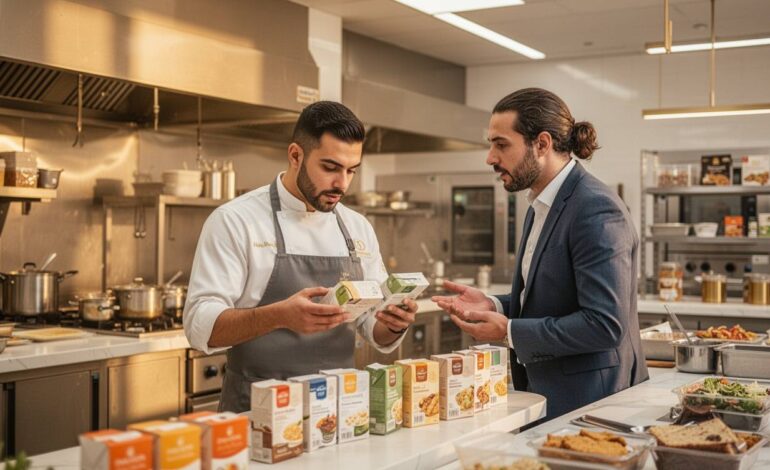
Label Transparency and Consumer Trust in the UAE Food Industry
Imagine a Dubai cloud kitchen operator watching sales plummet after a viral social media post questions the halal status of their popular chicken wraps. One unclear label, and months of hard work unravel. In the UAE’s fast-paced food and beverage industry, label transparency is not just a regulatory checkbox-it’s the bedrock of consumer trust that drives food business growth.
Why Label Transparency Matters More Than Ever
The UAE food market is booming, with discerning consumers demanding clarity on every package they pick up. According to a 2024 report from FoodNavigator, 78% of Middle East consumers check labels before purchase, up 15% from 2022, prioritizing origin, allergens, and health claims[1][4]. This shift ties directly into food industry trends where label transparency builds consumer trust, turning one-time buyers into loyal patrons for sustainable food brands.
For restaurant owners and cloud kitchen business operators, ignoring this means risking fines from the Emirates Authority for Standardization and Metrology (ESMA) or worse, a damaged reputation. Take Ahmed, a Mumbai-born entrepreneur who launched a spice mix brand in Abu Dhabi. His early success stalled when customers spotted vague ingredient lists, leading to returns and negative reviews. Partnering with food business consultants for precise labeling turned it around, boosting repeat orders by 40%.
UAE Food Labeling Regulations: The Non-Negotiables
UAE law mandates bilingual labels in Arabic and English, covering product name, ingredients, net weight, country of origin, manufacturer details, production and expiry dates, nutritional info, storage instructions, and allergen warnings[1][5]. Halal certification is critical for meat and dairy, while claims like organic or low-sugar need verifiable proof to avoid misleading shoppers.
Non-compliance hits hard: fines, recalls, or sales bans from Dubai Municipality or Abu Dhabi Agriculture and Food Safety Authority (ADAFSA). A 2023 ESMA audit flagged over 500 products for label errors, many involving missing allergens, underscoring the need for food safety in every detail[1]. food processing consultants emphasize that accurate formats-like internationally recognized date styles-prevent these pitfalls, ensuring smooth market entry.
Halal, Allergens, and Claims: High-Stakes Details
Halal status must be explicit for animal products, allergens listed in descending order, and claims backed by evidence. Dr. Fatima Al-Mansoori, a food safety expert at EIT Food, notes: Clear declaration of these elements is vital, as it safeguards health and fosters accountability in diverse markets like the UAE[2]. For qsr consultants advising quick-service chains, this transparency differentiates brands in competitive spaces like Dubai Mall food courts.
Linking Labels to Broader Food Industry Trends
Label transparency aligns with rising demands for traceability, powered by food technology like QR codes and AI. At Gulfood 2025, brands showcased smart labels revealing farm origins and handling data, resonating with UAE’s tech-savvy shoppers[2]. A OECD study highlights how trusted labels boost environmental outcomes, appealing to eco-conscious buyers in the sustainable food brands space[7].
Cloud kitchen business models thrive here-QR scans linking to batch traceability enhance food safety perceptions. Restaurant consulting firms recommend integrating these with ESMA standards, helping operators like those in Sharjah vertical farms communicate fresh, local sourcing transparently[3].
Real-World Impact: Stories from UAE Food Entrepreneurs
Consider Layla, a cafe consultant in Ras Al Khaimah who revamped her bakery’s labels with detailed allergen info and halal stamps. Sales jumped 25% as families felt secure choosing her hormone-free dairy treats. Similarly, a Turnkey Food Factory Consultant helped a frozen foods producer in Jebel Ali add QR codes tracing imports from Turkey, aligning with food processing consultancy services and slashing recall fears[2].
These cases show how label transparency fuels food business growth. In a market where 65% of consumers avoid brands with unclear origins per a recent EIT Food survey, proactive steps like these build lasting consumer trust[3].
Actionable Steps to Boost Your Label Transparency
Ready to fortify your operations? Here are practical recommendations from Food Consultant Services experts:
- Audit current labels against ESMA guidelines, prioritizing bilingual accuracy and allergen prominence-work with food factory design consultants for redesigns.
- Implement QR-based traceability using affordable apps, linking to origin stories and batch data to enhance food technology integration.
- Train staff via food product development consultants on claim verification, ensuring every low-fat or organic label holds up under scrutiny.
These steps not only comply but position your brand as a leader in the food and beverage industry.
Challenges and How to Overcome Them
Small operators face hurdles like translation costs or tech integration. Food Processing Plant Consultancy Services providers note that starting with core elements-batch codes and halal marks-yields quick wins. Data privacy concerns with smart labels? Opt for anonymized blockchain via restaurant setup consultants, balancing transparency with security[2].
For imported goods, food and beverages consultants stress pre-clearance checks with Sigma Labels guidelines, avoiding costly reworks[1].
Frequently Asked Questions (FAQs)
What are the penalties for non-compliant food labels in the UAE?
Penalties range from hefty fines to product seizures and import bans, enforced by ESMA and local authorities. In 2023 alone, dozens of brands faced recalls over missing expiry dates or allergens, costing thousands in losses and reputation damage. Partnering with a food industry consultant early prevents these headaches and keeps your operations smooth.
How can cloud kitchens use label transparency for growth?
Cloud kitchens can add QR codes on packaging for instant traceability, sharing halal certs and farm origins digitally. This builds consumer trust fast, especially for delivery apps where visuals matter. Many UAE operators see 20-30% loyalty boosts by tying labels to apps, as seen in recent food industry trends.
Is halal labeling mandatory for all food products?
Not for every item, but essential for animal-derived ingredients like meat or gelatin. UAE regs require clear declaration to protect Muslim consumers, with non-compliance risking market exclusion. Bakery Consultants often advise universal stamps for simplicity, enhancing broad appeal.
How does AI enhance label transparency?
AI scans labels for errors pre-print and powers smart packaging with real-time data. In UAE supply chains, it verifies claims against blockchain records, boosting food safety. It’s a game-changer for frozen food consultants managing imports.
Conclusion: Transparent Labels, Thriving Business
Label transparency is your silent salesperson in the UAE food scene, forging consumer trust that withstands trends and trials. Whether you’re scaling a cloud kitchen business or launching sustainable food brands, prioritize it now for enduring food business growth. Contact Tech4Serve today for tailored restaurant consulting and food consultancy service to make your labels a trust powerhouse.