The Functional Food Opportunity: Why UAE Restaurants and Cloud Kitchens Must Act Now
The functional food and beverage market across the GCC is projected to grow from USD 18.2 billion in 2025 to USD 51.2 billion by 2035, at a compound annual growth rate of 10.9%. For UAE food business owners, this isn’t just a market statistic – it’s a competitive imperative. The shift toward nutrition-focused dining is no longer a niche trend; it’s becoming the baseline expectation of a health-conscious, affluent consumer base that demands both wellness and exceptional experience.
Understanding the Market Landscape in the UAE
The UAE has established itself as a market sophistication leader within the functional food sector, with the country demonstrating an 11.2% growth rate driven by cosmopolitan consumption patterns and rapid innovation adoption. Dubai and Abu Dhabi are showcasing cutting-edge functional products that appeal directly to health-conscious expatriates seeking personalized nutrition solutions. What makes this opportunity particularly valuable is the underlying infrastructure: established cold chain systems, modern retail ecosystems, and a liberal regulatory environment that actively supports food innovation.
Consider the numbers: 50 percent of people in the UAE are either obese or overweight, according to industry research. This creates an urgent consumer need for smarter snacking options and targeted nutrition – precisely the gap that functional foods fill. Restaurant operators and cloud kitchen entrepreneurs who position themselves early in this space gain significant competitive advantage as demand continues accelerating.
The food and beverage industry in the UAE is undergoing simultaneous transformation across multiple dimensions. Rising costs demand smarter operating models, location strategy has shifted from footfall-focused to fit-focused, and technology adoption has moved from experimentation to expectation. Within this context, functional food positioning becomes more than a marketing angle – it becomes an operational and financial advantage.
What’s Driving Functional Food Adoption Across the Region
The surge in functional food demand stems from several interconnected factors. Post-pandemic consumer emphasis on immune health continues to sustain demand for functional solutions, while government health initiatives and wellness tourism are driving adoption at scale. In Qatar, for example, the functional food market holds an 11.5% growth rate, supported by sports culture development and wellness tourism initiatives that promote functional nutrition for performance optimization. Kuwait leads the region at 11.8% growth, establishing functional foods as lifestyle essentials in premium retail and healthcare applications.
What food industry trends reveal is a clear pivot toward specificity and intentionality rather than broad wellness claims. Health-focused dining is no longer niche; it’s becoming mainstream. According to recent analysis, the strongest brands integrate wellness without compromising their core identity, offering a small number of well-designed options that align naturally with their concept. This is critical for UAE operators to understand – success isn’t about rebranding as a health food restaurant, but about strategic menu engineering that aligns functional benefits with your existing customer base.
Practical Strategies for UAE Operators: From Concept to Execution
Implementing functional food positioning requires a systematic approach grounded in operational reality. Here are the core strategies that separate successful operators from those struggling to capture this opportunity:
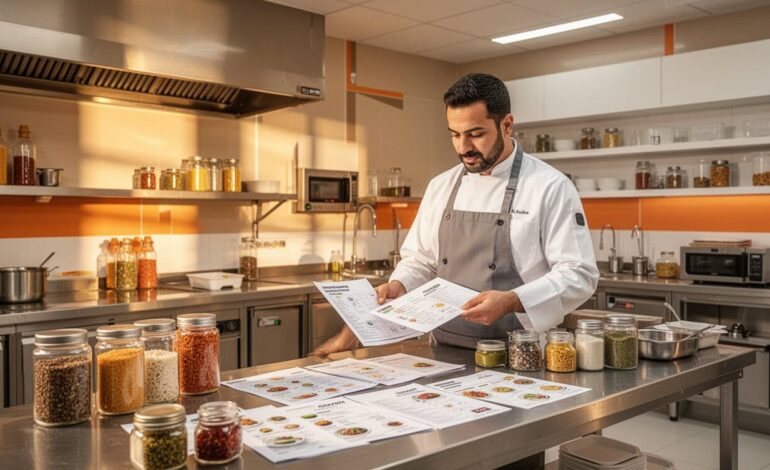
- Conduct menu engineering specifically for functional benefits that align with your core concept. If you operate a casual dining restaurant, introduce targeted offerings focused on reduced sugar, functional beverages, or gut health rather than attempting a complete menu overhaul. Food Business Experts recommend auditing your current menu first to identify natural opportunities for functional enhancement – a smoothie bowl addition, a probiotic-forward dessert option, or fortified beverage systems that appeal to active consumers.
- Leverage technology to communicate functional benefits clearly and manage food safety simultaneously. Food safety protocols become increasingly important as consumers demand transparency about nutritional claims. Implement systems that track ingredient sourcing, allergen information, and nutritional data with precision. food technology solutions designed for small to mid-sized operations can provide this without requiring enterprise-level investment.
- Partner with food consultancy service providers who understand both GCC regulations and consumer preferences. Whether you’re launching a cloud kitchen business or expanding an existing restaurant group, professional guidance on formulation, packaging, compliance, and market positioning accelerates time-to-value and reduces costly missteps.
Cloud Kitchens and Delivery-First Strategies in the Functional Food Space
The cloud kitchen business model offers unique advantages for functional food operators. Without front-of-house overhead, you can focus entirely on menu optimization, ingredient consistency, and operational efficiency. However, delivery-first positioning requires different thinking than traditional dine-in concepts.
Leading operators are building delivery-first offerings designed specifically for transport, holding time, and platform economics. A functional smoothie bowl performs differently when sitting in delivery packaging versus being eaten immediately at a table. Fortified beverages require different packaging to maintain integrity. This is where food business growth becomes directly tied to operational precision. A food consultant services provider specializing in delivery models can help optimize your menu for these real-world constraints while maintaining the functional integrity that attracts premium pricing.
Consider a practical scenario: a Dubai-based cloud kitchen operator launches a protein-fiber snack line targeting the weight management segment. Rather than experimenting broadly, they partner with food factory design consultants to establish production protocols, secure appropriate packaging, and ensure consistent quality across high-volume orders. Within six months, they’ve established distribution through premium delivery channels and specialty retailers – generating revenue streams that wouldn’t exist without deliberate operational design.
Retail Partnership and Omnichannel Distribution
The UAE food market demonstrates that success in functional foods requires omnichannel thinking. Hypermarkets and A-class stores dominate with 40.2% market share, particularly strong in Saudi Arabia and the UAE where modern retail drives procurement decisions. However, direct-to-consumer channels, subscription services, and specialty health stores are equally important for building brand loyalty and premium positioning.
restaurant setup consultants working across the GCC emphasize that functional food brands must think beyond their core outlet. A successful restaurant or cloud kitchen brand can multiply revenue by establishing retail distribution, subscription offerings, and e-commerce channels. This requires alignment with suppliers, regulatory compliance across channels, and consistent quality – precisely the expertise that professional food consultants bring to the table.
Sustainability as a Margin Driver, Not Just Marketing
Within the broader context of food and beverage industry dynamics, sustainability is increasingly driven by operational efficiency and cost control rather than branding alone. Waste reduction, smarter purchasing, and simplified packaging are becoming essential business practices. For functional food operators specifically, this creates opportunity: sustainable practices reduce costs while aligning with the health-conscious values of your customer base.
A food industry consultant might recommend source reduction strategies – designing packaging that protects functional ingredients while minimizing waste. Or ingredient standardization – using the same fortified base across multiple product formats to improve purchasing power and reduce spoilage. When sustainability initiatives reduce waste and improve margins, they become genuinely sustainable long-term.
Technology as Operational Backbone
Technology adoption in UAE’s food and beverage sector has moved from experimentation to expectation. The emphasis is no longer on technology for visibility, but on technology that improves performance, delivery time, food consistency, reduces waste, increases accuracy, and supports quality. For functional food operators, this means:
- Forecasting and inventory systems that prevent stockouts of premium, perishable functional ingredients while minimizing waste of expensive fortified components.
- Recipe management and formulation software that maintains consistency as you scale production across multiple locations or delivery channels.
- Loyalty and subscription platforms that create recurring revenue from health-conscious customers willing to pay premium for convenience and personalization.
qsr consultants working with fast-casual and quick-service concepts note that technology integration directly impacts profitability in the functional food space. If a tool doesn’t positively impact operations or margins, it adds little value – a principle that separates well-executed tech implementations from expensive experiments.
Frequently Asked Questions (FAQs)
How do I know if my restaurant concept should add functional food positioning?
Start by analyzing your customer base demographics and purchasing behavior. If your restaurant attracts health-conscious consumers, professionals aged 25-45, expatriate communities, or fitness enthusiasts, functional food alignment is likely to resonate. Additionally, evaluate your menu’s current nutritional profile – if you can authentically highlight existing benefits or make simple additions that enhance functionality without compromising your core identity, the move makes economic sense. A Food Business Consultant can help you conduct this analysis and identify specific opportunities aligned with your operation’s strengths.
What’s the difference between marketing wellness claims and genuinely functional products?
Genuine functional foods provide measurable, science-backed benefits beyond basic nutrition – think fortified beverages with added probiotics or snacks engineered for protein and fiber balance. Marketing wellness is simply highlighting existing attributes. In the UAE market, especially among affluent and health-educated consumers, the distinction matters enormously. Regulatory authorities increasingly scrutinize unsubstantiated claims, and sophisticated consumers can identify greenwashing immediately. Your functional positioning must be grounded in product formulation, not just marketing language. This is why partnership with qualified food safety and product development experts matters – they help you make claims that are both compelling and defensible.
How can a cloud kitchen operator compete with established restaurants in the functional food space?
Cloud kitchens possess operational advantages that larger restaurant groups can’t replicate easily. You have lower overhead, ability to test concepts rapidly across multiple delivery platforms, and direct access to performance data that tells you exactly what customers want. The strategy is to become exceptionally specialized – perhaps dominating functional smoothie bowls, or protein-engineered comfort food, or immunity-focused beverages – rather than competing broadly. Partner with cafe consultant or qsr consultants who understand delivery economics to optimize menu costs and margins. Use data from delivery platforms to identify demand patterns, then double down on your competitive advantage. A highly focused cloud kitchen operation can achieve premium positioning and margins that generalist restaurants struggle to match.
What role does food safety play in functional food positioning?
Food safety isn’t separate from functional food success – it’s foundational. When you’re making claims about health benefits, consumers and regulators assume you’re maintaining exceptional safety and quality standards. Functional ingredients like probiotics, fortified vitamins, and herbal additions require specific handling, storage, and formulation expertise. A single safety incident destroys functional food credibility completely. This is where professional food processing consultancy services become essential. They help you establish protocols, supplier relationships, and quality assurance systems that ensure every product meets claims consistently. Additionally, transparent communication about sourcing, testing, and certifications builds consumer trust – increasingly important as health-conscious customers demand accountability alongside claims.
How should I price functional food offerings relative to standard menu items?
Functional foods command premium pricing when positioned correctly – typically 20-40% above comparable non-functional alternatives, depending on ingredient costs and market positioning. However, pricing strategy must align with your restaurant concept and customer segment. In premium retail and upscale dining environments across Dubai and Abu Dhabi, affluent consumers expect to pay for functional benefits. In cloud kitchens serving mass delivery, premium positioning works if quality and results justify the price. A Food Consultant Services provider can help you calculate ingredient costs, competitive pricing, and margin targets that sustain your business while remaining accessible to your target customer. Remember that sustainable food brands – those growing consistently rather than through promotions – typically maintain pricing discipline rather than discounting functional products.
Conclusion: From Trend Recognition to Business Transformation
The functional food revolution happening across the GCC isn’t a temporary trend – it’s a fundamental shift in how consumers view food and restaurants. The UAE market is positioned at the forefront of this transformation, with 11.2% annual growth and increasingly sophisticated consumers demanding both exceptional experience and genuine health benefits. For restaurant owners, cloud kitchen operators, and food entrepreneurs, the choice is straightforward: position yourself strategically within this opportunity now, or watch competitors capture this high-margin, high-growth segment.
Success requires moving beyond marketing rhetoric to operational excellence – from menu engineering and ingredient sourcing through technology integration and quality assurance. Whether you’re launching a new concept or evolving an existing operation, professional guidance matters. The intersection of food industry trends, food technology, and expert consultation transforms functional food positioning from a nice-to-have into a sustainable competitive advantage.
Ready to transform your food business for the functional food era? Tech4Serve connects UAE food entrepreneurs with industry-leading consultants, technology solutions, and operational expertise specifically designed for the region’s unique market dynamics. Your competitive advantage in functional food positioning starts with expert guidance aligned to your business model and market position.