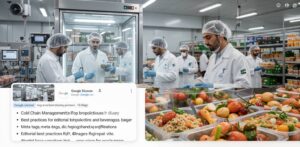
Waste is No Longer a Disposal Problem – It’s a Design Opportunity
The UAE’s 2026 plastics ban isn’t just environmental policy; it’s a fundamental reset of how food and beverage businesses think about materials, operations, and profitability. As of January 1, 2026, single-use plastics have been phased out entirely, forcing restaurant owners, cloud kitchen operators, and food manufacturers to reimagine everything from packaging to supply chain logistics. But here’s the real insight: this transition isn’t punitive. It’s a competitive advantage waiting to be claimed by businesses that understand how waste connects to waste to resource strategy and Extended Producer Responsibility frameworks.
Understanding the UAE’s Circular Economy Mandate
The UAE introduced its circular economy approach gradually from 2024, with full enforcement by 2026. The policy reflects a deliberate transition toward a fully circular economy, where waste is designed out of the system and materials retain value beyond a single use. This aligns environmental ambition with industrial transformation, offering manufacturers and retailers clarity and time to innovate with purpose. For food and beverage industry operators, understanding this framework is no longer optional – it’s foundational to survival and growth.
At the heart of this shift is Extended Producer Responsibility, or EPR. Under EPR models, manufacturers become accountable for the full lifecycle of their products, including post-consumer recovery and recycling. The UAE Circular Economy Council has already launched pilots targeting packaging alongside electronics and batteries, signalling a future where product design and waste management are inseparable. This means food business growth now depends on how well you design for recovery, not just for shelf appeal.
Why Food Businesses Can’t Ignore This Shift
The global smart waste management market is predicted to grow by 2.63 billion dollars over the next four years, representing a substantial 10 percent CAGR. This expansion signals real market opportunity for food businesses that position themselves early. Whether you operate a single cafe, manage multiple cloud kitchen locations, or run a frozen food manufacturing facility, the economics have shifted fundamentally.
Compliance is now the competitive baseline. Across the UAE, manufacturers now offer compliant alternatives for virtually every restricted category – thicker reusable and paper-based bags, fiber-based plates and cups, wooden cutlery, plant-based straws, and recyclable polymer packaging. But differentiation comes from businesses that go beyond minimum compliance. Those adopting advanced materials like high-recyclability polymer solutions and PET variants are engineering products for recyclability from inception, simplifying material mixes, improving sortability, and increasing recycled content. This is where food technology intersects with sustainability, and where food business growth accelerates.
The Financial Reality of Non-Compliance
Full compliance is required by May 30, 2026, with penalties reaching up to AED 2 million for non-compliance. For a cloud kitchen business operator running on thin margins, this isn’t just an environmental consideration – it’s a financial mandate. Penalties aside, businesses that haven’t transitioned their packaging suppliers, redesigned menus to work with new materials, or restructured their food supply chain logistics will face operational disruption and customer dissatisfaction.
How Sustainable Food Brands Are Winning
Sustainable food brands in the UAE aren’t waiting for enforcement deadlines. They’re using this regulation as a roadmap for competitive advantage. Companies working with food consultancy service providers and food business consultants are auditing their material flows, demanding verified recyclability from suppliers, and redesigning packaging for simplicity. The trend is clear: environmental responsibility is shifting upstream, embedding circularity directly into manufacturing decisions.
Consider a practical example: a QSR chain operating across Dubai and Abu Dhabi partnered with restaurant setup consultants to redesign their entire packaging ecosystem. Rather than switching to marginally compliant alternatives, they invested in monomaterials for delivery containers, simplified their product lineup to reduce packaging variants, and built recovery partnerships with local waste management providers. The result wasn’t just compliance – it was a 12 percent reduction in per-unit packaging costs and a powerful brand story that resonated with environmentally conscious customers.
Technology as the Enabler
Across the UAE’s manufacturing sector, AI, automation, and robotics are being deployed to optimize material usage, minimize production waste, reduce energy consumption, and improve quality control. food processing consultants and Turnkey Food Factory Consultants are helping businesses integrate these technologies into their operations. Advanced systems aren’t only boosting efficiency – they’re strengthening environmental performance and supporting the country’s Net Zero ambitions.
Food technology in this context means more than apps and digital ordering. It includes smart waste tracking systems, IoT-enabled inventory management that reduces spoilage, and automated sorting systems that ensure recyclable materials stay in recovery streams. For a food factory design project, these investments are becoming standard expectations, not optional upgrades.
Practical Steps for Food Business Growth in a Circular Economy
Moving forward requires deliberate action. Here’s what separates businesses that thrive from those that scramble:
- Audit material flows across your entire supply chain to understand usage patterns, recyclability, and waste destinations. Work with food processing plant consultancy Services to map your current state and identify high-impact areas for change.
- Demand verified recyclability and recycled content from suppliers, with measurable, certified sustainability claims. This means moving beyond supplier promises to third-party validation, often with the help of Food Industry Consultants who understand regulatory requirements.
- Design for simplicity by reducing unnecessary components and improving compatibility with existing recycling systems. Use monomaterials wherever possible to ease single waste stream recycling.
- Build recovery partnerships with waste management and recycling providers to close the loop. This might mean working with a food factory design consultant to physically redesign your facility for material segregation.
- Educate consumers through clear labelling and awareness campaigns, because even the best packaging fails if it isn’t correctly disposed of. For restaurant consulting and cafe consultant services, this means training staff and designing in-store messaging that reinforces proper disposal.
The Broader Landscape: Food Industry Trends Reshaping Operations
Food industry trends are increasingly converging around resource efficiency and circular thinking. The UAE Circular Economy Council has approved 22 circular economy policies across several fields, with initiatives targeting sustainable transportation, sustainable infrastructure, and clean industries. For the food and beverage industry, this means future regulations will likely extend beyond packaging to include water usage, energy consumption, and ingredient sourcing.
Businesses investing now in sustainable practices are positioning themselves ahead of this curve. A food factory design consultant working on a project in 2026 isn’t just thinking about production efficiency – they’re factoring in waste recovery infrastructure, water recycling systems, and renewable energy integration from day one. This holistic approach to facility design is becoming the industry standard.
Frequently Asked Questions (FAQs)
How does the UAE’s 2026 plastics ban affect food packaging for restaurants and cloud kitchens?
The ban eliminates single-use plastics entirely, requiring restaurants and cloud kitchen operators to switch to alternatives like paper-based, fiber-based, or advanced recyclable polymers. This means updating supplier contracts, redesigning packaging formats, and often increasing upfront material costs. However, businesses that work with food consultancy service providers to transition strategically often discover efficiencies that offset these costs – such as simplified supply chains, reduced spoilage through better material properties, or premium pricing opportunities for eco-conscious customers.
What’s the difference between compliance and competitive advantage in the circular economy?
Compliance means meeting the minimum requirements by May 30, 2026, using approved alternative materials. Competitive advantage comes from going deeper – designing products for full lifecycle recovery, building recovery partnerships, using recycled content, and integrating technology to reduce waste. A business using plant-based straws meets compliance; a business that redesigned its entire packaging ecosystem to use monomaterials, reduced variants, and partnered with local recycling providers captures competitive advantage and typically lower long-term costs.
Are small cloud kitchen businesses responsible for Extended Producer Responsibility?
EPR accountability typically applies to manufacturers and large retailers, not necessarily individual restaurant operators or small cloud kitchens. However, if you’re sourcing packaging from suppliers, you should demand that they demonstrate EPR compliance and take responsibility for post-consumer recovery. For small operations, this means selecting suppliers carefully and understanding their circular economy commitments. Working with a Food Business Expert can clarify your specific obligations and help you select compliant suppliers.
What happens if my business doesn’t comply by May 30, 2026?
Penalties reach up to AED 2 million for non-compliance, but more immediately, you’ll face operational disruption – suppliers won’t deliver non-compliant materials, waste management providers may refuse to handle non-segregated waste, and customers increasingly prefer brands aligned with sustainability. The practical impact is often more severe than the financial penalty. Partnering with food processing consultancy services or restaurant setup consultants early ensures your transition is smooth and completed well before the deadline.
How can food technology help with waste reduction and circular economy goals?
Food technology tools – including inventory management systems that reduce spoilage, smart waste tracking that monitors disposal patterns, and automation that optimizes material usage – directly support circular economy goals. These systems provide visibility into where waste occurs, enable data-driven decisions about packaging and portion sizes, and ensure materials are properly segregated for recovery. A turnkey food factory consultant can assess which technologies deliver the highest ROI for your specific operation.
Building Your Circular Future
The UAE’s 2026 circular economy framework isn’t a temporary compliance exercise – it’s the foundation of sustainable food business growth for the next decade. Businesses that embrace this transition early, invest in technology and design thinking, and partner with experienced consultants are building resilience, reducing costs, and capturing market share from competitors still scrambling to understand the rules.
Your next step is clear: audit your current operations, understand your specific obligations, and begin your transition now. Whether you need help with facility redesign, supplier selection, packaging innovation, or training your team, specialized expertise is available. Connect with Tech4Serve to explore how strategic consulting can accelerate your circular economy transformation and unlock competitive advantage in 2026 and beyond.