Cloud Kitchen Models for Delivery-Only Growth in UAE Food Businesses
In the heart of Dubai’s bustling food scene, a savvy entrepreneur named Ahmed transformed his struggling dine-in spot into a thriving cloud kitchen operation, tripling orders through delivery platforms in just six months. This shift highlights how cloud kitchen models are reshaping the food and beverage industry in the UAE, offering lean paths to food business growth amid rising delivery demands. As food industry trends point toward digital-first strategies, understanding these models is key for any forward-thinking operator.
Understanding the Rise of Cloud Kitchens in the UAE
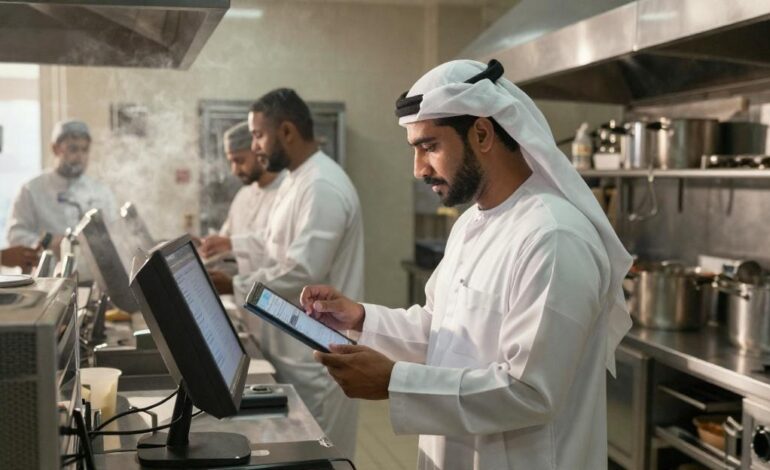
Cloud kitchens, often called ghost or delivery-only facilities, eliminate dine-in spaces to focus purely on fulfilling online orders via apps like Talabat and Deliveroo. This model has exploded in popularity across Dubai and Abu Dhabi, where high real estate costs make traditional restaurants less viable. According to industry estimates, over 400 cloud kitchen facilities now operate in the UAE, with Dubai hosting the majority as centralized hubs for virtual brands[2].
The appeal lies in slashed overheads – no front-of-house staff or lavish interiors means operators can redirect funds to food technology and menu innovation. Picture a Mumbai restaurant owner who pivoted to a cloud kitchen during the pandemic; by partnering with aggregators, he scaled from one outlet to serving multiple emirates without brick-and-mortar expansion. In the UAE, similar stories abound, driven by a digital-savvy population and supportive regulations from the Department of Economic Development.
Key Cloud Kitchen Models Driving Foodservice Innovation
Single-Brand Cloud Kitchens: Focused Excellence
The simplest cloud kitchen model dedicates an entire facility to one virtual brand, perfect for established eateries testing delivery-only waters. Here, branding shines through consistent packaging and menus tailored for transit, ensuring flavors hold up during rides across Dubai’s traffic. This setup suits niche players like gourmet burger joints, allowing tight control over food safety and quality.
Multi-Brand Cloud Kitchens: Maximizing Efficiency
Enter the multi-brand powerhouse, where one kitchen runs several virtual brands under shared infrastructure. A single space might churn out Indian curries, healthy bowls, and desserts simultaneously, each dispatched via dedicated lines. This model cuts costs dramatically – shared logistics and equipment boost ROI, making it a top choice for food business growth in space-strapped UAE cities[1][4].
Global players like Deliveroo Editions exemplify this, using super kitchens to let restaurants expand zones without new builds[3]. In Dubai, operators like Kactus and Dynamic Kitchen thrive this way, proving multi-brand setups handle peak-hour surges effortlessly.
Aggregator-Supported Hubs: Platform-Powered Scale
Leveraging aggregator platforms, these hubs integrate directly with apps for seamless order flow. Facilities like Talabat Cloud Kitchen optimize for high-volume delivery, using AI to predict demands and streamline packing. Setup costs range from AED 30,000 to 80,000 for shared spaces, far below traditional venues[2].
Trends Shaping Cloud Kitchen Models in 2026
Looking ahead, cloud kitchen models in the UAE embrace tech-driven layouts with IoT sensors for real-time monitoring of hygiene and inventory[1]. Sustainable designs, like eco-friendly materials and energy-efficient appliances, align with sustainable food brands, appealing to eco-conscious consumers. The FoodNavigator reports the global cloud kitchen market is set for robust growth through 2034, fueled by delivery-centric shifts[8].
Another stat: MENA’s model, led by UAE and Saudi Arabia, draws global eyes due to smartphone penetration exceeding 90% and agile regulations[3]. As Deloitte notes in foodservice analyses, these kitchens offer unmatched agility for profitable delivery-only operations[4].
As one food industry expert from EIT Food puts it: Cloud kitchens represent the future of foodservice, blending food technology with cost-efficiency to redefine scalability.
Actionable Strategies for Launching Your Cloud Kitchen
Ready to dive in? Partner with restaurant setup consultants like food business consultants for seamless execution. Here are three practical recommendations:
- Opt for modular designs in multi-brand setups to allow flexible zoning for cuisines, easing future tweaks without full overhauls[1].
- Integrate food technology like automated inventory to cut waste by 20-30%, boosting margins in competitive UAE markets.
- Prioritize food safety with HACCP-compliant workflows and smart ventilation, mandatory for Dubai Municipality approvals[2].
For those eyeing broader ventures, turnkey food factory consultant services or food processing plant consultancy can extend your cloud kitchen business into frozen lines, tapping frozen food consultants expertise.
Challenges and Solutions in UAE Cloud Kitchen Operations
No model is flawless. High competition from aggregators demands standout virtual brands, while logistics snags in peak hours test dispatch efficiency. Solution? Invest in zoned workflows and real-time tracking via apps.
Regulatory hurdles exist too – secure DED trade licenses and municipality nods early[2]. Food Consultants specializing in restaurant consulting streamline this, from food factory design consultants to qsr consultants ensuring compliance. A real-world win: An Abu Dhabi operator used food consultancy service to launch three brands, hitting profitability in quarter one.
Frequently Asked Questions (FAQs)
What licensing is needed for a cloud kitchen in Dubai?
Starting demands a trade license from the Department of Economic Development or free zone, plus food safety approvals from Dubai Municipality. Shared spaces lower barriers, with total costs AED 30,000-80,000; lean on Food Business Experts for smooth paperwork and compliance.
Are multi-brand cloud kitchens profitable in the UAE?
Absolutely – they slash setup costs and scale via diverse menus, ideal for delivery-only plays. With over 200 UAE facilities, operators report quick ROI by sharing overheads across virtual brands.
How do cloud kitchens ensure food safety during delivery?
Advanced packaging, temperature-controlled dispatch, and hygiene protocols like HACCP keep standards high. Tech integrations monitor every step, vital for building trust in UAE’s discerning market.
Conclusion: Scale Your Food Empire with Cloud Kitchens
Cloud kitchen models offer UAE food visionaries a nimble route to dominance in the delivery era, blending efficiency, innovation, and profitability. Whether single-brand precision or multi-brand might, these setups fuel sustainable food brands ready for tomorrow’s demands. Take the leap – connect with food industry consultant pros via Tech4Serve today to blueprint your cloud kitchen business success.