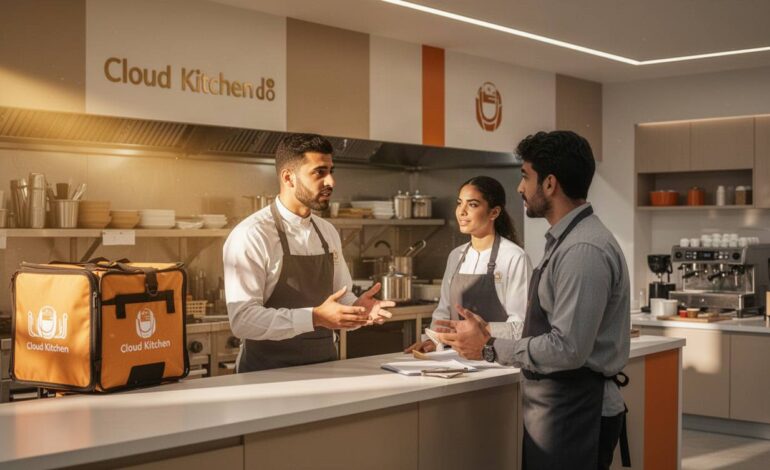
Understanding the Financial Landscape of Cloud Kitchens
In the bustling market of the UAE, where the food and beverage industry is a cornerstone of the economy, cloud kitchens have emerged as a cost-effective solution to cater to the growing demand for food delivery. But what does it truly cost to run a cloud kitchen, and how is delivery being reshaped in this dynamic landscape?
The Rise of Cloud Kitchens: A UAE Perspective
Cloud kitchens, also known as ghost kitchens, have revolutionized the food service paradigm by focusing solely on delivery without the frills of dine-in setups. This model has taken root in the UAE, a region known for its fast-paced urban lifestyle, where convenience is king. According to a recent report by FoodNavigator, the cloud kitchen sector in the Middle East is projected to grow by 17% annually, reflecting a rampant increase in consumer preference for online food delivery.
Key Cost Components of a Cloud Kitchen
While cloud kitchens promise a leaner operational model than traditional restaurants, understanding the full spectrum of costs is crucial for successful management.
Infrastructure and Rent
Real estate prices can be a major consideration. Setting up in strategically located urban zones, such as Dubai’s JLT or Abu Dhabi’s Saadiyat, provides access to a dense customer base but can drive up rent costs significantly. Working with Food Factory Consultants can help optimize your location strategy and infrastructure efficiency.
Technology and Integration
Investing in technology is non-negotiable. The use of integrated kitchen management systems ensures streamlined operations from order to delivery, thus reducing human error and operational hiccups. It’s critical to engage with food and beverages consultants who specialize in food technology to tailor these systems to your operation.
Labor and Staffing
While the headcount is generally lower in cloud kitchens than in full-service restaurants, skilled labor for kitchen operations and delivery logistics remains a vital expense. The expenditure on staff training to uphold food safety standards is equally important, underpinning any successful food business growth.
Optimizing Delivery for Cost Savings and Efficiency
Delivery is where the rubber meets the road for cloud kitchens. The direct correlation between delivery efficiency and customer satisfaction is undeniable.
Third-Party vs. In-House Delivery
Balancing the cost of third-party delivery services versus establishing an in-house team is a critical decision. While services like Deliveroo and Talabat provide scalability and reach, the cost per order can sometimes eat into profit margins, necessitating strategic partnerships or volume-based negotiations.
Leveraging Data and Feedback
Employing data analytics allows cloud kitchens to refine processes and minimize waste—every dirham counts. Platforms like Zomato offer insightful customer data, helping tailor offerings to suit specific demographics, ensuring your delivery menu hits the mark every time.
Practical Recommendations for Cloud Kitchen Operators
- Partner with restaurant setup consultants to assess capital allocation efficiently.
- Adopt best-in-class order management software with the guidance of food processing consultants to enhance your service quality.
- Collaborate with qsr consultants to streamline your menu and delivery logistics for improved margins.
Frequently Asked Questions (FAQs)
How can cloud kitchens minimize delivery costs while maintaining high service standards?
Engaging a Food Consultant Service can be instrumental in fine-tuning delivery models, possibly by adopting zone-based delivery pricing or optimizing food packaging to retain temperature and quality during transit.
What role do cloud kitchens play in supporting sustainable food brands?
Cloud kitchens can act as incubators for sustainable food brands by emphasizing eco-friendly packaging and sourcing locally, thereby reducing carbon footprints and appealing to the environmentally conscious consumer.
Conclusion
Navigating the intricate web of costs and delivery strategies in the cloud kitchen sector requires deep industry insight coupled with strategic partnerships. As this culinary revolution continues to gather steam, leaning on expert guidance from a trusted consulting partner like Tech4Serve can empower your business to thrive in this competitive locale.