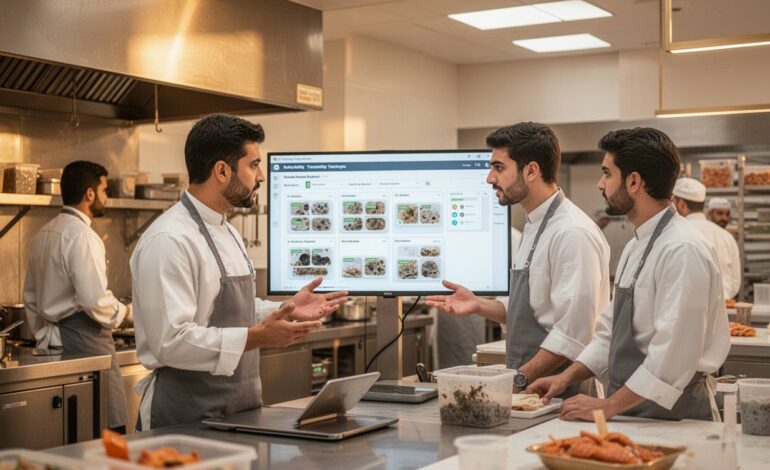
Food Recall and Risk Management in the UAE Food Sector
Imagine a bustling Dubai cloud kitchen operator discovering contaminated batches just as orders surge during iftar season – one delayed food recall could shatter customer trust and invite regulatory scrutiny. In the fast-paced food and beverage industry, where food safety is non-negotiable, mastering risk management turns potential disasters into manageable hurdles. UAE businesses ignoring these realities risk not just fines but the erosion of their hard-earned reputation.
Understanding Food Recalls: Triggers and UAE Regulations
Food recalls in the UAE are triggered by safety compromises like contamination, undeclared allergens, or structural defects that pose health risks to consumers. According to the Ministry of Economy and Tourism, recalls involve withdrawing defective goods from the market, overseen by the Competition and Consumer Protection Department in collaboration with manufacturers and agents. This process aims to protect consumer health while stabilizing markets, with legal obligations under Federal Law on Product Safety mandating procedures for product withdrawal when unsafe items are found.
Voluntary recalls allow proactive businesses to act upon identifying issues, mitigating penalties, while mandatory ones follow inspections or complaints from bodies like Dubai Municipality or ESMA. In 2025, UAE’s updated food safety laws introduce risk-based inspections, classifying facilities by risk level – high-risk ones handling perishables face more frequent checks. A recent report highlights that inadequate recall management can lead to shipment rejections or market withdrawals, especially for heavy metal contamination in high-risk categories.
The High Stakes: Statistics and Real-World Impacts
Global food industry trends show recalls costing businesses dearly; for instance, the average recall expense hits $10 million per incident, per a Food Marketing Institute study linked here. In the UAE, failure to comply with heavy metal limits in food products has resulted in notable product recalls, underscoring the need for proactive testing as emphasized by URS Labs. These figures reveal why food business growth hinges on robust risk management – one lapse can halt operations and damage sustainable food brands overnight.
A Dubai Restaurateur’s Wake-Up Call
Consider Ahmed, a restaurant owner in Dubai who launched a popular shawarma chain without airtight supplier audits. When undeclared allergens surfaced in his supply chain, a mandatory food recall ordered by local authorities led to refunds, negative reviews, and a 30% sales dip. His story mirrors broader food and beverage industry challenges, where restaurant consulting could have flagged risks early through better traceability.
Building a Bulletproof Risk Management Framework
Effective risk management starts with early detection using advanced data analytics and real-time monitoring in manufacturing and supply chains. Food technology like IoT sensors and blockchain enhances traceability, crucial for cloud kitchen business models reliant on rapid turnover. Businesses should form cross-functional teams for crisis response, ensuring quick notifications to authorities as per MOE protocols – submit recall requests, fill advertising templates, and publish notices in accredited newspapers.
As Dr. Sarah Thompson, food safety expert at IFT, notes: Food safety is the bedrock of consumer trust; businesses that invest in traceability not only comply but thrive amid rising standards. This aligns with Abu Dhabi Food Law requiring traceability systems for withdrawing risky products. For UAE operators, partnering with food business consultants or Turnkey Food Factory Consultants ensures compliance without reinventing the wheel.
Actionable Steps for Prevention
To safeguard operations, implement these practical recommendations:
- Conduct regular supplier audits and quality assurance checks, including heavy metal testing for high-risk ingredients, to catch defects early.
- Adopt digital tools for complaint tracking and documentation, enabling swift investigations and regulatory reporting.
- Develop supply chain resilience with blockchain for transparent monitoring, coordinating recalls across channels seamlessly.
Leveraging Expertise for Compliance and Growth
In a market demanding food safety excellence, services like food consultancy service from experienced food processing consultants prove invaluable. Whether setting up a QSR or scaling a cafe, restaurant setup consultants guide through food factory design, integrating risk management from the ground up. For cloud kitchens eyeing expansion, food product development consultants blend innovation with compliance, fostering food business growth while building sustainable food brands.
Proactive measures like predictive analytics and internal audits minimize recall risks, as outlined in EIT Food reports here. UAE’s evolving regulations, including targeted inspections under 2025 laws, reward prepared businesses. Engaging qsr consultants or food and beverages consultants tailors strategies to local nuances, from Bakery Consultants optimizing dough safety to Frozen food consultants ensuring cold chain integrity.
Case Study: Mumbai Operator’s UAE Pivot
Raj, a Mumbai cloud kitchen veteran, expanded to Abu Dhabi seeking food business growth. Facing a potential recall from bacterial contamination, he tapped food processing plant consultancy Services for a traceability overhaul. The result? Zero incidents post-implementation, smoother operations, and doubled revenue – a testament to how food consulting turns risks into opportunities.
Frequently Asked Questions (FAQs)
What triggers a mandatory food recall in the UAE?
Mandatory recalls kick in when regulators like Dubai Municipality or ESMA detect safety risks through inspections, complaints, or incidents involving contamination, allergens, or non-compliance. Businesses must notify authorities immediately via the MOE portal, detailing the product, risks, and remedies to avoid penalties and protect consumers. Proactive voluntary action often softens the blow, showing cooperation.
How can cloud kitchens implement effective risk management?
Cloud kitchen business operators should prioritize traceability with IoT and blockchain, regular testing, and crisis teams for rapid response. Partnering with Food Factory Consultant experts ensures setups align with UAE standards, from supplier vetting to documentation. This not only prevents recalls but supports scalable food business growth in competitive markets.
What role does insurance play in food recall scenarios?
Product liability insurance covers claims, legal costs, and recall expenses, but policies must match your risk profile in the food and beverage industry. Combine it with preventive compliance like audits and testing for comprehensive protection. Consult food industry consultant pros to align coverage with operations.
How do 2025 UAE food safety laws impact businesses?
The new laws emphasize risk-based inspections, hitting high-risk facilities harder while easing up on low-risk ones, per Smart Food Safe insights. This pushes food technology adoption for compliance, benefiting sustainable food brands. Stay ahead with food processing consultancy services to adapt seamlessly.
Securing Your Future: Act Now on Risk Management
Food recalls need not derail your trajectory in the UAE’s dynamic food sector – with strategic risk management, they become stepping stones to resilience and food business growth. Invest in traceability, compliance, and expert guidance to stay ahead of food industry trends and regulations. Reach out to Tech4Serve today for tailored restaurant consulting and food safety solutions that propel your operations forward.