Co-Manufacturing vs In-House: Decoding the Best Path for UAE Food Growth
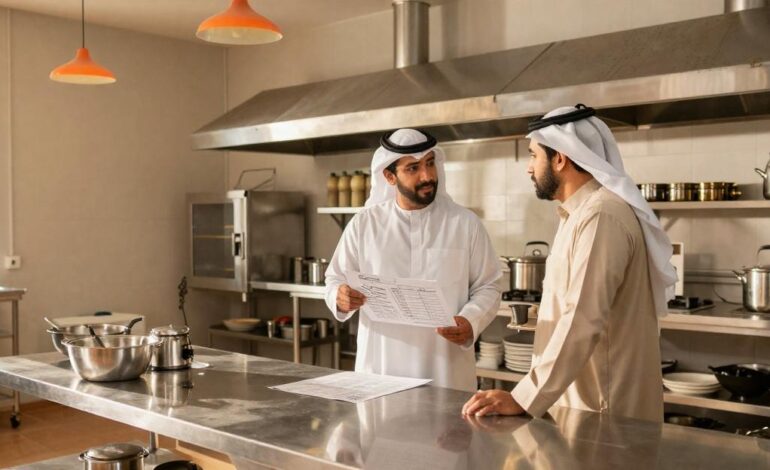
In the heart of Dubai’s bustling food scene, a cloud kitchen operator named Ahmed faced a pivotal dilemma: stick with his cramped in-house setup or pivot to co-manufacturing for his booming line of ready-to-heat meals. This choice mirrors a broader shift in the food and beverage industry, where agility trumps tradition amid rising demands for food business growth. As UAE’s market surges, understanding co-manufacturing versus in-house production unlocks scalable success without the usual headaches.
The Rise of Food Industry Trends Favoring Flexible Production Models
UAE’s food and beverage industry is witnessing explosive growth, driven by a population boom and evolving consumer tastes. Recent data from the FoodNavigator indicates the GCC food processing sector is projected to reach USD 12.5 billion by 2027, fueled by demand for convenient, halal-certified products[1]. This surge amplifies food industry trends like personalization and speed-to-market, pushing businesses toward models that balance control with efficiency.
Co-manufacturing, often synonymous with contract manufacturing, involves partnering with specialized facilities to handle production, packaging, and even R&D. In contrast, in-house production keeps everything under one roof. For a restaurant consulting firm advising QSR leaders, the debate boils down to scalability: co-manufacturing lets brands like sustainable food brands focus on innovation while experts manage the heavy lifting.
Pros and Cons of In-House Production in the UAE Context
Running an in-house operation offers unmatched control, especially vital for food safety in a regulated market like the UAE. Picture a Mumbai transplant opening a cafe in Abu Dhabi; her hands-on approach ensures every spice blend matches her vision, fostering brand loyalty. Yet, this model demands hefty upfront investments in equipment, staff, and space – challenges amplified by rising real estate costs in Dubai and Sharjah.
Top UAE players like Al Ain Food & Beverages and Agthia Group thrive with robust in-house facilities, producing dairy and juices at scale[2]. However, for emerging cloud kitchen business owners, the pitfalls loom large: maintenance downtime, skilled labor shortages, and vulnerability to supply chain disruptions. A EIT Food report highlights that 68% of small food firms struggle with in-house scalability due to these factors[1].
When In-House Shines for Food Business Growth
In-house excels for high-volume staples or bespoke products requiring constant tweaks. Bakery Consultants often recommend it for artisanal breads where daily freshness defines the edge. But without food technology integration, it risks obsolescence in a market chasing food processing consultancy services.
Unlocking Advantages of Co-Manufacturing for Agile Expansion
Co-manufacturing flips the script by outsourcing to equipped partners like Intelligent Foods in Dubai or Naumi Foods, who specialize in private labeling for ready meals and snacks[4][6]. This approach slashed production costs by 20% for a UAE healthy snack brand, enabling 150% capacity growth in just six months[1]. Brands retain intellectual property while tapping local expertise in Halal compliance and SFDA regulations.
For food business growth, co-manufacturing aligns perfectly with UAE’s import duties and logistics perks. An international beverage firm entering Saudi via UAE partners boosted margins by 15% through localized co-packing[1]. Food Factory Consultant pros emphasize its role in sustainable food brands, reducing waste via shared advanced machinery.
Real-World Wins: Case Studies from UAE Food Trailblazers
Consider Al Islami Foods, a frozen food leader since 1981, blending in-house mastery with strategic co-manufacturing alliances for export[2]. Their halal-certified lines dominate thanks to this hybrid. Similarly, a cloud kitchen operator in Sharjah partnered with Suite42 for contract manufacturing, revolutionizing their supply chain amid food industry trends toward ready meals[3].
Dr. Fatima Al-Mansoori, a noted UAE food industry consultant, states: Local co-manufacturing partnerships are the backbone of resilient food brands in the GCC, blending global standards with regional nuances for unmatched agility.
Key Factors to Weigh: Co-Manufacturing or In-House?
Cost Breakdown and ROI Projections
In-house setups require AED 5-10 million for a mid-sized facility, per UAE Ministry of Climate Change and Environment guidelines, versus co-manufacturing’s pay-per-batch model[1]. Frozen food consultants note co-manufacturing cuts capex by 40-60%, freeing capital for marketing in competitive QSR spaces.
Navigating Food Safety and Regulatory Hurdles
UAE’s stringent food safety standards, enforced by the Emirates Authority for Standardization and Metrology (ESMA), demand certifications like HACCP and ISO 22000. Co-manufacturers like Hassani Food Industries already comply, sparing startups the compliance grind[5]. In-house demands dedicated teams, risking lapses during scaling.
Actionable Recommendations for UAE Food Entrepreneurs
To choose wisely between co-manufacturing and in-house, follow these steps tailored for restaurant setup consultants and beyond:
- Assess your volume: If under 50,000 units monthly, start with co-manufacturing via a Turnkey Food Factory Consultant to test markets without sunk costs.
- Audit partners rigorously: Engage Food Business Experts for factory audits, ensuring alignment with your sustainable food brands ethos and food technology needs.
- Hybridize strategically: Use in-house for R&D prototypes, then scale via co-manufacturing – ideal for food product development consultants handling cloud kitchen business.
Restaurant Consulting Insights for Hybrid Success
Food Consultant Services in UAE advocate hybrids: in-house for core recipes, co-manufacturing for volume. A cafe consultant helped a Dubai chain blend both, boosting output 200% while upholding food safety. As food processing plant consultancy services evolve, this model dominates for qsr consultants eyeing exports.
Frequently Asked Questions (FAQs)
How does co-manufacturing impact food safety for UAE cloud kitchen business?
Co-manufacturing enhances food safety by leveraging partners with built-in HACCP and Halal certifications, reducing risks compared to nascent in-house setups. For cloud kitchen operators, this means consistent quality without diverting focus from delivery ops, as seen in Dubai’s thriving ready-meal scene.
Is co-manufacturing suitable for sustainable food brands in the UAE food and beverage industry?
Absolutely, co-manufacturing supports sustainable food brands by optimizing resources through shared facilities, cutting waste and energy use. food processing consultants often guide brands to partners like Agthia Group affiliates, aligning eco-goals with scalable food business growth.
What role does food technology play in co-manufacturing versus in-house decisions?
Food technology tips scales toward co-manufacturing, where advanced automation and AI-driven quality control outpace most in-house capabilities for SMEs. Restaurant consulting experts recommend it for food industry trends like personalization, ensuring UAE brands stay ahead without massive tech investments.
Chart Your Course: Choose Wisely for Lasting Food Business Growth
The co-manufacturing versus in-house debate isn’t one-size-fits-all; it’s about matching your vision to UAE’s dynamic landscape. Whether scaling a cloud kitchen business or launching sustainable food brands, the right path fuels enduring success. Partner with proven food and beverages consultants at Tech4Serve today – schedule a consultation to tailor your production strategy and dominate the market.